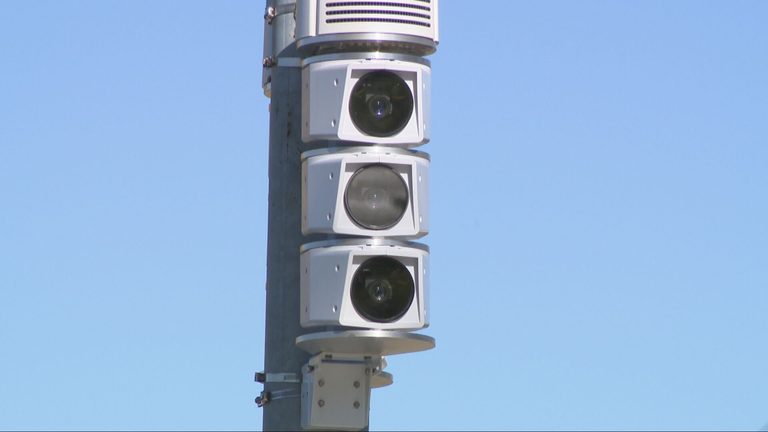
Ohio lawmakers are moving forward with legislation that would make it mandatory for municipalities to seek voter approval before deploying traffic‑enforcement cameras. The measure, which must clear committee and both chambers by the end of the year, is aimed at giving residents a direct voice on a tool many see as a revenue generator rather than a safety measure.
Local residents voice concerns
Residents in several communities have already expressed frustration after receiving citations from cameras they say were placed without warning. Evan Murphy of Troy described the experience as “not a fun surprise” when a ticket arrived in the mail after a camera captured his vehicle near the University of Dayton campus. “I also don’t think flooding traffic cameras all over the place to give people tickets just adds another cost,” Murphy added.
Maria Kilgore, another Ohio driver, echoed the sentiment, saying it would be helpful to receive advance notice before cameras are installed. “Just them being so subtle with it and being in places that you’re not really paying attention because I’m focused on the road, not on looking at cameras,” she explained.
Legislative rationale
Supporters of the bill argue that requiring a public vote respects the principle of local self‑government and ensures that taxpayers have a say in how public‑safety tools are used. Deputy Law Director John Musto, though unavailable for interview, submitted a statement to lawmakers warning that the proposal could undermine the trust municipal leaders have to make timely decisions. “Requiring an election before deploying any safety enforcement tools assumes that this one public‑safety measure is inherently different from all others,” Musto wrote.
Proponents also note that many Ohio cities, such as Dayton, have already installed cameras in school zones and other high‑traffic areas. Dayton’s own written testimony to the legislature in June urged lawmakers not to pass the bill, suggesting that local officials believe they can balance safety and revenue concerns without a statewide mandate.
Potential impact
If enacted, the bill would place the decision to install traffic cameras squarely in the hands of voters, potentially slowing or halting projects that municipalities consider essential for reducing speeding and improving road safety. Advocates for the measure contend that this added layer of accountability aligns with Ohio’s tradition of local control and fiscal responsibility.
Opponents warn that the requirement could delay the deployment of technology that has been shown to reduce accidents in high‑risk zones. They argue that the administrative burden of organizing a vote for each camera program could deter cities from pursuing effective safety solutions.
Next steps
The proposal now heads to the full Senate and House for debate. Lawmakers will need to secure bipartisan support to move the bill out of committee and onto the governor’s desk before the end of the year. Governor Mike DeWine has not yet issued a statement on the legislation.
Ohio residents can expect further public hearings as the bill progresses, giving both supporters and critics additional opportunities to present their arguments before a final vote is taken.
Original reporting: WHIO-TV Dayton (local) — read the source article.