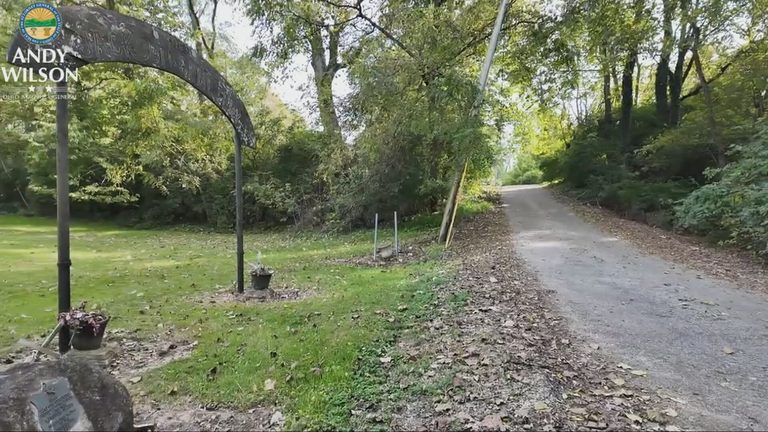
The Ohio Attorney General’s Office announced a court order that transfers ownership of a historic African‑American cemetery in Springcreek Township, Miami County, to the nonprofit organization Land of the Freed. The order also conveys two adjacent parcels of land, giving the group full authority to begin restoration and preservation work.
Background on the Randolph Freedpeople
The cemetery holds the remains of the Randolph Freedpeople, a group of formerly enslaved individuals who were freed under the 1846 will of U.S. Congressman John Randolph. Randolph directed his executor to purchase land for the freedpeople, resulting in a 3,200‑acre tract in Mercer County. When the group arrived in Ohio, local residents barred them from settling on the purchased land, prompting the Freedpeople to establish communities in Miami and Shelby counties instead. The Springcreek Township burial ground is the only known cemetery associated with that migration.
From historic society to nonprofit stewardship
The Rossville‑Springcreek Historical Society began acquiring the cemetery and the two neighboring wooded parcels in 1982. After the society’s corporate status was cancelled in 1996 and its trustees passed away without naming successors, the property fell into a legal limbo. While the township continues to provide basic maintenance, the Attorney General’s office noted that the site has “fallen into disrepair” and needs dedicated care.
Land of the Freed’s restoration plan
Land of the Freed, a nonprofit dedicated to preserving the legacy of the Randolph Freedpeople, intends to clean the burial ground, repair damaged headstones, improve landscaping, and install interpretive signage that tells the story of the freed community to future generations. The organization also plans to engage local volunteers, schools, and churches in the restoration effort, emphasizing the importance of honoring African‑American heritage in Ohio.
Attorney General’s comments
Ohio Attorney General Andy Wilson said, “This is an important part of Ohio history that should be preserved for future generations. This court order clears the way for the cemetery to be restored and cared for so its story can continue to be told.” Wilson highlighted the administration’s commitment to protecting historic sites and supporting nonprofit stewardship of cultural resources.
Community response
Local residents and heritage groups have expressed enthusiasm for the transfer. Many see the restoration as a chance to acknowledge a previously overlooked chapter of Ohio’s past and to provide a dignified resting place for the ancestors of the Randolph Freedpeople. The project is expected to draw visitors interested in African‑American history and to serve as an educational resource for schools throughout the region.
Funding for the restoration will come from a combination of private donations, grants, and potential state historic preservation funds. Land of the Freed plans to launch a fundraising campaign later this year to cover the costs of site cleanup, structural repairs, and ongoing maintenance.
The court order marks a significant step forward for historic preservation in Miami County, aligning with broader state efforts to protect cultural landmarks and promote inclusive narratives of Ohio’s past.
Original reporting: WHIO-TV Dayton (local) — read the source article.