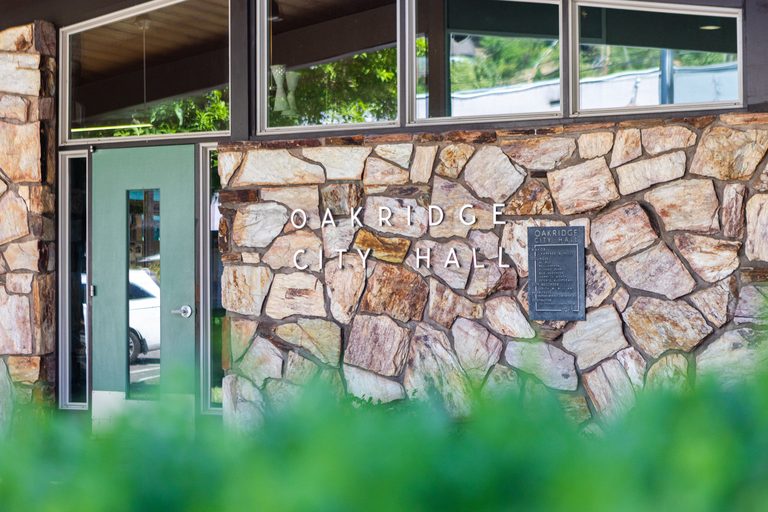
Oakridge voters will decide on Nov. 3 whether to re‑elect Mayor Jeff Cutchen, a former Navy pilot who has led the city since January 2023, or to elect community activist Michael Goddard, a newcomer promising a more hands‑on, people‑first style of government.
Incumbent’s record and priorities
Cutchen brings 31 years of Navy service and experience as the city’s former administrator (2019‑2021). He says his knowledge of the municipal budget and his relationships with county and state officials give Oakridge a steady hand. His top priority is the city‑run ambulance service, which currently loses about $500,000 a year after federal Medicare and Medicaid changes in 2008 reduced reimbursements.
To close the gap, the city added a $17 monthly ambulance fee to water bills in July and is proposing a five‑year property‑tax levy of $1.64 per $1,000 of assessed value, to begin in July 2027. If voters reject the levy, the fee remains. Cutchen warns that without additional funding the city could lose the ambulance contract, forcing residents to wait up to an hour for emergency transport.
Other items on Cutchen’s agenda include replacing aging water and sewer lines, completing renovations to the Willamette Activity Center, and protecting essential services such as water, wastewater, stormwater, police and fire. He cites a recent $2.7 million Connect Oregon grant that resurfaced the town airport runway, a critical base for wildfire helicopters and air ambulances.
Goddard’s grassroots vision
Michael Goddard, a former plasterer who moved to Oakridge from New York City, frames the mayor’s role as a “peace minister” who listens to residents. He proposes holding barbecues instead of formal meetings, and points to personal acts of service, such as paying for a dumpster to clean up a neighbor’s property.
Goddard identifies affordable housing as the town’s central challenge. He suggests a pilot program, funded by a one‑time $50‑$55 million state infrastructure investment, to build tiny homes and train workers in carpentry, plumbing and metalwork. He also wants to improve streets, sidewalks and crosswalks, especially for people with disabilities, and floated the idea of a “SkyTram” aerial lift across Highway 58 to boost tourism.
On the ambulance levy, Goddard opposes the property‑tax increase, arguing residents already pay for services they do not receive. He cites a 92‑year‑old neighbor who is charged for sewer service despite lacking a sewer line. To address mental‑health and overdose calls, Goddard proposes a $10 million local crisis‑care facility and suggests temporarily closing the library and parks to reallocate funds, with a plan to rebuild the budget later.
Election dynamics
The race is officially nonpartisan, but the contrasting approaches are clear: Cutchen emphasizes fiscal responsibility and continuity, while Goddard stresses community engagement and bold new projects. Both candidates agree that essential services—water, wastewater, police and fire—must be protected, but they differ on how to fund and expand those services.
Voters who are dissatisfied with the city’s direction are encouraged to consider the alternatives. Cutchen reminds residents, “It’s their mayor, and so they have a choice.” Goddard adds, “Average people get motivated by how they’re treated, not by how they want to treat people.”
With the ballot looming, Oakridge residents will weigh experience against fresh ideas, and decide whether to maintain the current course or embark on a new, community‑driven path.
Original reporting: Homepage – Lookout Eugene-Springfield — read the source article.