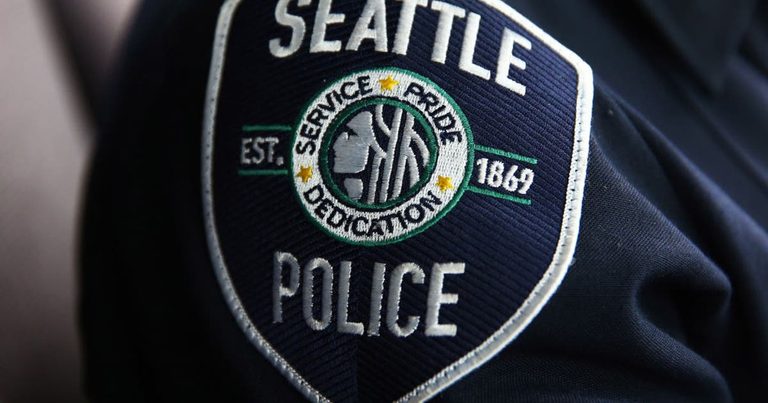
Seattle residents learned Tuesday that a comprehensive audit of the police department’s Real‑Time Crime Center (RTCC) uncovered notable privacy and constitutional concerns, a finding that could affect how citywide surveillance cameras are used.
According to Fox 13 Seattle, the 77‑page review was conducted by the NYU Policing Project and commissioned by Mayor Katie Wilson’s office. The audit examined the RTCC’s use of Axon’s Fusus software and more than 500 connected camera feeds, including Seattle Department of Transportation traffic cameras, police facility cameras, private‑business feeds, and pilot programs in Belltown, Downtown, and Aurora Avenue.
The RTCC, launched in 2025, consolidates feeds from over 300 municipal closed‑circuit cameras, nearly 100 traffic cameras, precinct security systems, and private‑business cameras into a single dashboard. While the system is primarily used in real time to respond to 911 calls, investigators also review archived recordings for detective work.
City policy already includes several privacy safeguards: passive 24‑hour monitoring is prohibited, facial‑recognition technology is banned, and digital blocking tools mask views into second‑story residential windows. The city also forbids using surveillance data for civil immigration enforcement or to prosecute protected healthcare services, and raw CCTV video is routinely purged within five days—stricter than the 30‑day limit allowed by policy.
Despite these measures, the auditors identified systemic gaps. Analysts are not required to log a specific reason or active case number before viewing live feeds, and the network lacks uniform privacy standards. Saved evidentiary clips are retained in the cloud indefinitely once exported to Evidence.com, even after cases close. The department also has no formal guidelines for monitoring public protests.
The report warned that retrospective, warrantless tracking of individuals across multiple cameras could violate Fourth Amendment rights, especially as the surveillance footprint expands. Auditors emphasized that describing the entire enterprise as “real time” blurs the line between emergency response and routine investigations.
Additional concerns focus on sensitive personal data related to reproductive health, pediatric gender treatments, and immigration status. While Washington state shield statutes and local executive orders block city assistance in federal immigration sweeps and out‑of‑state healthcare inquiries, those protections do not shield records from federal subpoenas, grand‑jury demands, or Washington Public Records Act requests directed at the city or Axon.
The audit also highlighted the growth of the “Connect Seattle” partnership, which currently feeds 23 private‑business cameras into police headquarters with 100 more units queued for deployment. Auditors recommended strict deployment criteria, public disclosure, and digital masking to protect residential interiors.
Mayor Wilson is scheduled to address the findings on Tuesday morning, where she will consider the 19 specific recommendations, including requiring search warrants before retrospective multi‑camera tracking and establishing clearer policies for protest monitoring and major civic events such as the 2026 FIFA World Cup.
Sources: fox13seattle.com