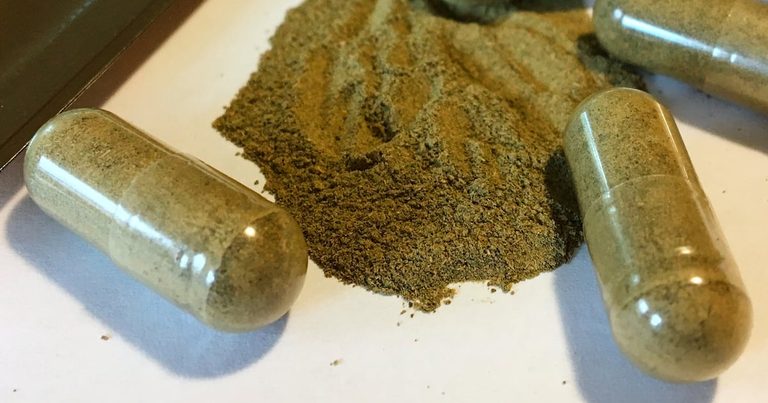
A New York Times reporter visited an Atlanta gas station and several local smoke shops this summer, collecting 28 drug‑related products for laboratory analysis. The investigation, reported by the Atlanta Journal‑Constitution, revealed that at least half of the items were inaccurately labeled, and five contained substances classified as Schedule I drugs under Georgia law.
Among the most concerning discoveries was a product marketed as a type of “intoxicating honey” that was found to contain an illegal synthetic hallucinogen. A separate package of gummies also tested positive for a Schedule I substance. The remaining products, while not all illegal, showed a pattern of misleading labeling that could put consumers at risk.
The findings arrive at a time when Georgia lawmakers are grappling with how to better regulate the sale of emerging drug products, especially those sold in smoke‑shop environments that often operate with limited oversight. State officials have expressed concern that inaccurate labeling not only violates consumer‑protection statutes but also undermines public‑health efforts aimed at keeping families safe.
Attorney General and other state leaders have indicated that the report could serve as a catalyst for legislative action, including stricter labeling requirements and more rigorous enforcement against the distribution of Schedule I substances. The Trump administration, which has emphasized a strong stance on drug safety and community health, is expected to support any state‑level initiatives that aim to protect residents from harmful, unregulated products.
Local advocacy groups for parents and faith‑based families have welcomed the investigation, calling for swift policy measures to prevent similar incidents. They argue that clearer labeling and tighter controls are essential to safeguard children and vulnerable adults from accidental exposure.
What’s next: State legislators are scheduled to convene a special session next month to discuss potential amendments to Georgia’s drug‑labeling laws. The administration is expected to provide guidance on enforcement priorities, and community leaders plan to hold a public forum in downtown Atlanta later this summer to gather resident input on proposed regulations.
Sources: ajc.com