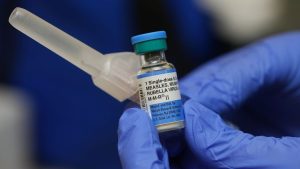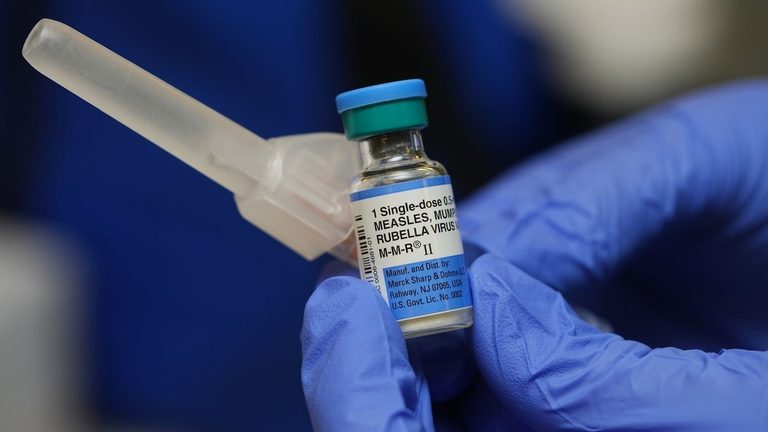
The New York State Department of Health announced a statewide standing order that lets pharmacists administer the measles, mumps and rubella (MMR) vaccine to eligible New Yorkers age 2 and older. This move gives families a convenient, pharmacy‑based option to protect children and adults from a disease that spreads easily and can cause serious illness.
Why the change matters for families
State Health Commissioner Dr. James McDonald explained, “Measles spreads easily and can make people very sick, especially young children. This standing order gives families another place to get vaccinated. If you’re unsure whether you or your child is up to date on the MMR vaccine, now is a good time to check.” By removing the need for a separate prescription, the order reduces barriers for parents who may struggle to schedule a doctor’s visit.
How the standing order works
Pharmacies that participate in the program can vaccinate eligible individuals without a prior prescription. Residents should call ahead to confirm that a pharmacy offers the MMR vaccine, serves their age group, and has either walk‑in or appointment availability. The Department continues to recommend the first MMR dose at 12‑15 months and a second dose at 4‑6 years. Children younger than 2 years should consult their health‑care provider about early vaccination, especially during an outbreak.
Outbreak context
Governor Kathy Hochul declared a statewide disaster emergency on Oct. 5, 2026, under Executive Order No. 65, and extended it on Nov. 4 under Executive Order No. 65.1. Those orders broaden the pool of qualified vaccinators and enable rapid deployment of resources. As of Nov. 14, New York State reported 281 confirmed measles cases in 2026—273 outside New York City and eight within the city. The Department’s Measles Dashboard, updated each Tuesday, tracks cases through the prior Saturday.
What families should look for
When planning a pharmacy visit, families should verify:
- Pharmacy participation in the standing order program
- Eligibility for the individual’s age group
- Availability of appointments or walk‑in slots
These steps help ensure a smooth vaccination experience and keep the community’s immunity levels high.
Recognizing measles symptoms
Measles typically appears 7‑14 days after exposure, with a possible incubation up to 21 days. Common early signs include high fever, cough, runny nose, and red, watery eyes. A rash often follows 3‑5 days after symptoms begin, starting as flat red spots at the hairline and spreading downward. The rash may develop raised bumps and can merge as it spreads. Fever may spike above 104 °F when the rash appears. Prompt medical attention is advised if these signs develop.
Community impact
By expanding pharmacy access, the state aims to curb the outbreak, protect vulnerable children, and reduce the strain on doctors’ offices. The measure aligns with a broader public‑health strategy that prioritizes swift, convenient vaccination options for all New Yorkers.
For the latest information on participating pharmacies and the measles dashboard, visit the New York State Department of Health website or call the department’s hotline.
Original reporting: CNY Central WSTM (Sinclair) – local — read the source article.