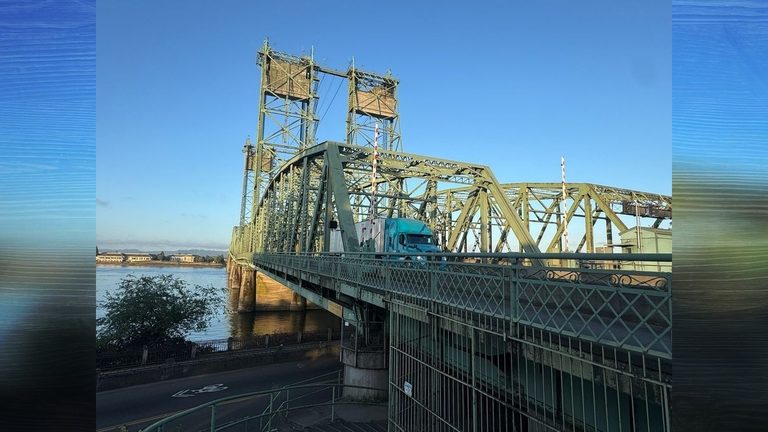
Travelers heading north on Interstate 5 between Oregon and Washington should prepare for an overnight lane reduction on the Interstate Bridge. Starting at 11 p.m. on Wednesday, November 4, the Washington State Department of Transportation (WSDOT) will close up to two northbound lanes and keep them closed until 4 a.m. Thursday, November 5.
Why the closures are necessary
The work is part of a utility‑mapping project. Crews will locate and mark gas, sewer, power, telephone and internet lines that run beneath the bridge. Knowing the exact placement of these utilities is a critical step before any larger construction or repair work begins. Accurate mapping helps crews avoid accidental damage, reduces the risk of service interruptions, and ultimately saves taxpayers money by preventing costly re‑work.
What drivers can expect
During the four‑hour window, the northbound side of the bridge—spanning from Jantzen Beach near milepost 0.00 to the Vancouver approach near milepost 1.0—will operate with reduced capacity. Motorists should slow down, stay focused, and be prepared for slower traffic flow. The reduced lane count may cause backups, especially during the late‑night and early‑morning hours when commuters and freight trucks are still on the road.
How to stay informed
WSDOT encourages drivers to use its real‑time travel tools. The agency’s mobile app, interactive travel map, and email alert service provide up‑to‑date information on lane status, travel times, and any additional incidents that may arise. Checking these resources before you depart can help you choose alternate routes or adjust your travel schedule.
Alternative routes
If the bridge slowdown could significantly impact your plans, consider using the I‑205 bypass around Portland or the I‑84 corridor east of the Columbia River. Local streets such as Fourth Plain Boulevard and Mill Plain Highway also offer viable detours for shorter trips within the Vancouver area.
Community impact
The bridge is a vital link for commuters, freight operators, and families traveling between Washington and Oregon. While the temporary inconvenience is understandable, the long‑term benefit of a well‑documented utility network supports safer, more reliable travel for the entire region. Residents are asked to exercise patience and follow posted signage to keep the work zone safe for both crews and motorists.
Stay safe
WSDOT reminds drivers to keep a safe following distance, obey speed limits, and avoid distractions while navigating the construction zone. By working together, travelers can help ensure the project stays on schedule and the bridge remains a dependable conduit for cross‑state commerce and daily commutes.
Original reporting: Clark County Today (Vancouver WA) — read the source article.