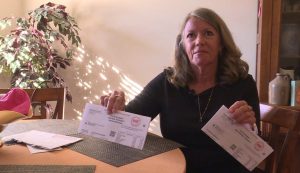
When NBC DFW asked North Texans how rising costs affect their daily lives, Linda Clark, a retired financial‑services professional, shared a stark example of the challenges retirees face with prescription drugs. Clark, who describes herself as financially comfortable and debt‑free, said she has always lived below her means. Yet after moving to Medicare, a medication she relies on—Otezla—now carries a price tag of just over $1,500 for a 30‑day supply.
Medicare limits and co‑pay program restrictions
Clark contacted Amgen, the maker of Otezla, to learn why the cost surged. A company spokesperson explained that the Otezla Co‑Pay Program, which helps patients with commercial or private insurance, is unavailable to those whose prescriptions are covered by Medicare, Medicaid, or other federal programs. The spokesperson added that patients may still have other support options, directing them to Otezla SupportPlus at 1‑844‑4OTEZLA.
Potential savings under Medicare Part D and upcoming negotiations
For 2026, Medicare Part D includes an annual out‑of‑pocket cap of $2,100 for covered prescription drugs. If Otezla is covered under a beneficiary’s Part D plan or receives a formulary exception, Clark’s total spending on covered medications should not exceed that cap. Clark is not currently enrolled in a Part D plan but is exploring enrollment.
Looking ahead, the Centers for Medicare & Medicaid Services (CMS) plans to negotiate prices for 15 drugs beginning in 2027. The negotiated price for Otezla is projected at $1,650 for a 30‑day supply, a significant reduction from the 2024 list price of $4,722. Cynthia Cox of the Kaiser Family Foundation noted that while the United States still pays more for prescription drugs than many other countries, Medicare negotiations are narrowing that gap.
Impact on quality of life and broader concerns
Clark said the medication is essential for managing her condition and that the high cost threatens her quality of life. “It made me think, for me, it’s an itch where if it’s someone who has a heart medication or something like that, what do you do in those cases?” she asked. She sees a huge opportunity for solutions that make essential drugs affordable for all patients.
Amgen also highlighted a Medicare Prescription Payment Plan that allows beneficiaries to spread out out‑of‑pocket costs over the calendar year. While the plan does not lower the drug’s price, it can ease cash‑flow pressures for retirees.
What North Texans can do
Residents facing similar challenges are encouraged to review their Medicare Part D options, consider formulary exceptions, and contact drug manufacturers for assistance programs. Local health‑care advocates suggest that increased awareness of these resources can help retirees avoid unexpected financial strain.
As the 2027 price‑negotiation rollout approaches, many hope that the reduced rates will bring lasting relief to patients like Clark, ensuring that essential treatments remain within reach for seniors across Texas.
Original reporting: Dallas TX News (HLL/CB) — read the source article.