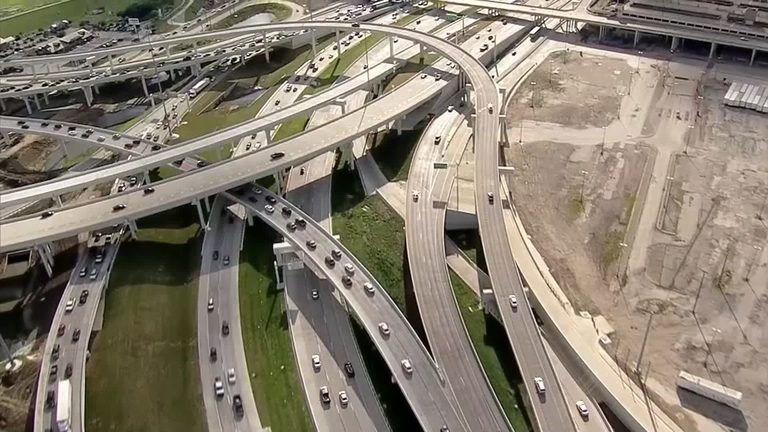
North Texas commuters are feeling the strain of rapid growth, even as regional officials unveil a multi‑billion‑dollar transportation plan aimed at easing congestion. The story of Josh Allen, a 41‑year‑old AT&T employee who drives 45 miles each way between his Burleson home and downtown Dallas, illustrates the everyday challenges many families face.
Commutes get longer despite early departures
Allen leaves his Burleson house before sunrise to beat the morning rush. By starting early, he keeps his inbound trip to roughly 45 minutes. However, his return journey can stretch to an hour and 15 minutes, with traffic around AT&T Stadium adding another 15 minutes on average. “Leaving a little earlier is the only way the morning drive stays reasonable,” Allen said. “It also means I can get home before the worst of the evening traffic and still have some time in the evening.”
Population surge outpaces original forecasts
Over the past 25 years, North Texas has grown faster than regional planners anticipated. The surge has translated into more households, more vehicles, and longer travel times on already‑busy corridors. In response, the North Texas Transportation Planning Organization (NCTPO) and partner agencies have revised their long‑range plans, updating growth forecasts, project lists, and funding assumptions to reflect the new reality.
Billions earmarked for new projects
The updated plan calls for billions of dollars in investments over the next decade. Funding will target a mix of highway expansions, new toll lanes, and enhanced public‑transit options, including bus rapid transit and commuter rail extensions. Planners emphasize that a balanced approach—adding capacity while improving alternatives—will be essential to keep travel times manageable for families like the Allens.
How the plan will affect daily commuters
While the full suite of projects will roll out over several years, several near‑term improvements are already slated. These include widening key segments of I‑35E, adding high‑occupancy toll (HOT) lanes on I‑30, and expanding park‑and‑ride facilities to encourage carpooling and transit use. The goal is to give commuters more choices and reduce the number of single‑occupancy vehicles on the road during peak periods.
Community response and next steps
Local residents and business leaders have expressed cautious optimism. Many welcome the prospect of reduced travel times, but some worry about construction disruptions and the long‑term cost of tolls. The NCTPO has scheduled a series of public‑input meetings throughout the Dallas‑Fort Worth metroplex, inviting commuters, neighborhood groups, and elected officials to weigh in on project priorities and funding mechanisms.
For commuters like Allen, the plan offers a hopeful outlook, but the reality remains that traffic will likely continue to grow as long as the region’s population expands. Adjusting schedules, car‑pooling, and exploring transit alternatives are practical steps families can take now while the larger infrastructure upgrades take shape.
Looking ahead
Transportation officials stress that the success of the plan hinges on sustained collaboration between state and local agencies, private partners, and the traveling public. By aligning funding, planning, and community input, North Texas aims to build a transportation network that supports its growing families and preserves the quality of life that draws new residents to the area.
Original reporting: Dallas TX News (HLL/CB) — read the source article.