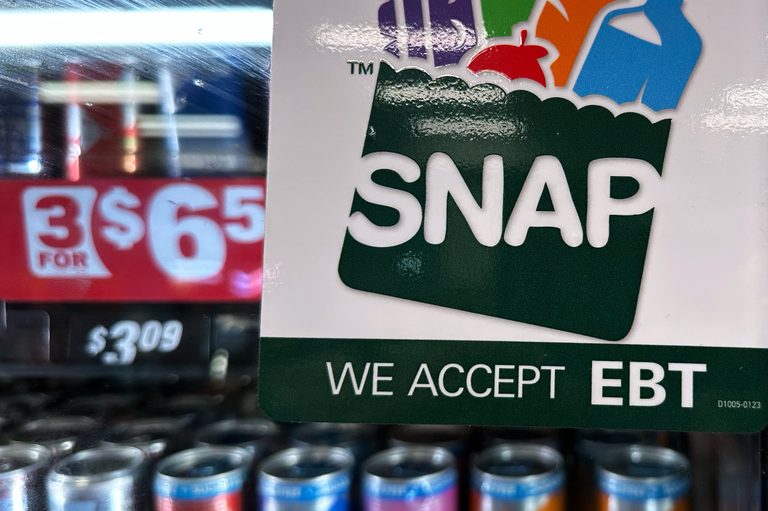
Two North Dakota residents have taken legal action against the U.S. Department of Agriculture (USDA) and Agriculture Secretary Brooke Rollins, seeking to overturn a new waiver that restricts what Supplemental Nutrition Assistance Program (SNAP) benefits can purchase.
Who filed the suit
The class‑action complaint was filed Wednesday in the U.S. District Court for the District of Columbia. The plaintiffs are a woman from Fargo and a man from Bismarck, both of whom rely on SNAP benefits for their daily food needs.
Health concerns cited
The Fargo plaintiff lives with diabetes and other health conditions. According to the complaint, she uses candy to manage sudden drops in blood sugar, electrolyte drinks to stay hydrated, and diet soda to ease nausea. Since the waiver took effect on Nov. 1, she says she has been rationing these items, has struggled to take her medications on schedule, and has experienced unstable blood‑sugar levels.
The Bismarck plaintiff is autistic and suffers from post‑traumatic stress disorder. He relies on specific sodas and candies to help regulate his symptoms and reports that he has no other money for groceries beyond SNAP.
Legal arguments
The lawsuit alleges that USDA overstepped its statutory authority. The plaintiffs contend the agency approved the waiver under a provision of federal law intended only for narrow pilot projects aimed at improving SNAP administration. They argue that health‑focused changes must meet stricter requirements under a separate provision, which the agency ignored.
The complaint also points out that USDA previously rejected similar proposals from Maine and Nevada in 2018, citing concerns about administrative costs, retailer burdens, and a lack of clear health benefits. The agency later reversed its stance without explanation when it approved the North Dakota waiver on Dec. 10, 2025.
Recent court precedent
The plaintiffs rely on a June 22 ruling in Aragon v. Rollins, where a federal court found USDA could not approve health‑based food restriction waivers under the provision it used for North Dakota. That decision vacated five similar waivers, providing a legal foundation for the current challenge.
What the plaintiffs seek
The suit asks the court to vacate the existing approvals, block enforcement of the waiver already in effect, and prevent USDA from issuing comparable waivers in the future.
Background on the waiver
North Dakota Health and Human Services first requested USDA approval on Oct. 24, 2025, and submitted a revised request on Nov. 3. USDA granted the waiver on Dec. 10, 2025. The agency held a public comment period, during which most commenters opposed the restrictions, but USDA deemed the concerns “insignificant” and proceeded unchanged.
Under USDA guidance, waivers last two years and may be extended up to three one‑year periods. Retailers in waiver states face undercover inspections; stores that violate the rules after a warning could be removed from SNAP participation.
Agency response
When contacted for comment, North Dakota Health and Human Services said it would respond but had not provided a statement at the time of publication.
Original reporting: KFYR-TV Bismarck (news) — read the source article.