Town leaders in North Carolina are sounding the alarm over a widening shortage of qualified finance officers. From the city of Rocky Mount to the tiny town of Rowland, municipalities report repeated hiring failures, high turnover and vacant positions that threaten the sound management of public funds.
Local officials describe the problem
In a June 2025 appeal to the North Carolina Local Government Commission, former Elm City mayor Tawanda Moore noted that the town’s finance department has been staffed largely by “inexperienced” employees since 2021. Current Elm City Mayor Gil Wheeler echoed the concern, saying, “We just can’t find the right people. We hire inexperienced people, and then problems start happening.”
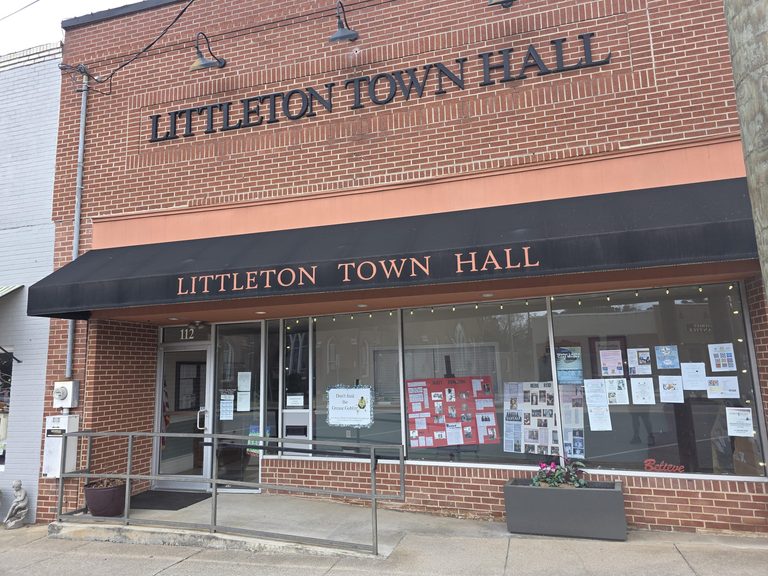
Rocky Mount, a larger city in Nash and Edgecombe counties, has cycled through five finance directors since fiscal year 2021, many of whom arrived with limited local‑government finance experience. Similar stories emerged from Littleton in Halifax County, which lost its longtime finance officer after its 2020 audit, and Randleman in Randolph County, which went roughly ten months in 2022 without a finance officer and missed its audit deadline.
Finance officers’ critical role
According to UNC‑Chapel Hill professor Kara Millonzi, a finance officer safeguards public money by overseeing accounting systems, reconciling bank accounts, managing investments and preparing financial reports. The position requires an oath of office, a bond of at least $50,000 (or 10 % of the unit’s budget), and relevant finance experience, though no specific degree is mandated.
Supply‑demand gap widens
A 2022 Government Finance Officers Association (GFOA) report warned that the gap between demand for state and local public‑finance workers and the available supply is expanding faster than in the private sector. The report noted a net employment loss in public finance each year since 2019, driven largely by the retirement of baby‑boomers. GFOA data show that nearly one‑third of public‑finance professionals are within ten years of retirement, with 5 % already at retirement age.
Local officials say the loss of seasoned staff erodes institutional knowledge, making it harder for smaller jurisdictions to cover essential duties. “When a finance employee leaves, larger organizations can spread the work, but smaller towns feel the impact immediately,” said Paula Loftin, county financial operations manager for the North Carolina Association of County Commissioners.
Budget pressures compound staffing woes
Deputy executive director of the GFOA, Mike Mucha, highlighted that expenses have outpaced revenue growth over the past six years, forcing many municipalities to freeze or eliminate positions. Finance roles often fall low on the priority list because their benefits are less visible to the public than police, public works or human‑services staff.
“Even though finance provides a key internal service, it’s harder to tell the story for why finance positions should be maintained when other services have a direct relationship to residents,” Mucha explained.
Other factors driving vacancies include competitive benefits offered by larger governments or the private sector, increasingly complex auditing standards, and staffing levels that have not kept pace with expanded regulatory requirements from the Governmental Accounting Standards Board.
Potential solutions
Some towns are experimenting with automation and artificial intelligence to handle routine transactional tasks, but officials caution that technology cannot replace the judgment and oversight that experienced finance professionals provide.
Denise Canada, secretary of the Local Government Commission, warned that if the staffing crisis persists, “local governments will continue to struggle financially – and some could even cease to exist altogether.” She urged state leaders and local officials to prioritize recruitment incentives, professional development and succession planning to preserve the fiscal health of North Carolina’s municipalities.
Original reporting: Carolina Public Press — read the source article.