Cure Coffeehouse occupies a building that was once a pharmacy — which explains the name, and maybe the loyal regulars who show up like they need a prescription filled.
On a rainy Tuesday in February, the place earns its following. Outside, the Freemason Street block goes quiet in the kind of gray that makes most of downtown Norfolk look forgotten. Inside Cure, every seat is taken by nine o’clock. A law student has three color-coded notebooks spread across a corner table. Two city workers in matching jackets share a window bench. A woman in scrubs, clearly end-of-shift, cradles a ceramic mug with the focused stillness of someone who has earned it.
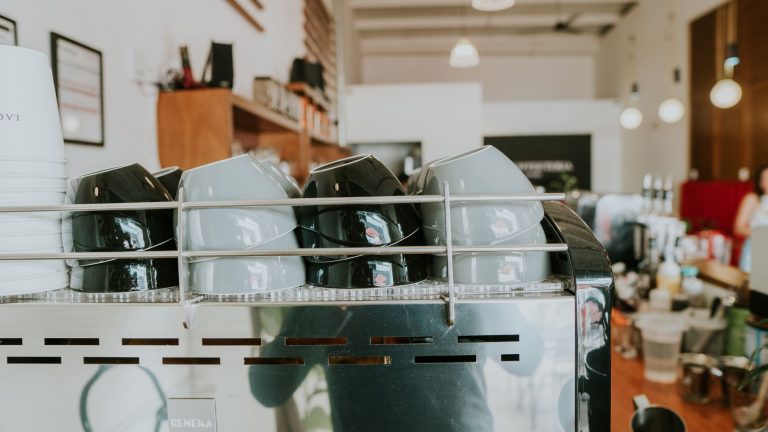
The room itself does a lot of work. The ceilings are high, the floors original wood, and there’s enough exposed brick to feel genuinely old without trying to perform it. The light on overcast mornings is diffuse and flattering — good for reading, good for thinking, good for watching rain streak the tall windows on the east wall. It doesn’t feel designed so much as accumulated, the way a good independent coffeehouse should.
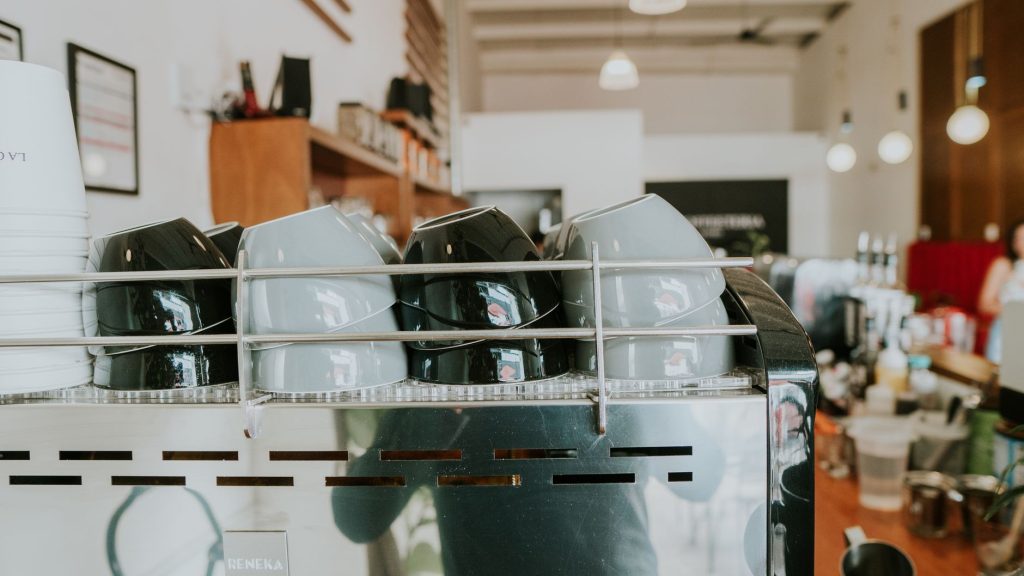
The coffee program is legitimate. Cure pulls espresso from Counter Culture — a roaster out of Durham with a serious reputation — and the baristas here know what they’re doing with it. A cortado lands balanced and clean, without the aggressive bitterness that plagues cheaper espresso setups around town. The drip coffee rotates through single-origin options chalked on a board above the bar, and the staff will actually talk through the flavor profiles if asked, without any condescension attached.
The food selection is tighter than the drink menu, which is probably the right call. There are pastries from a local bakery, a few sandwiches, and a rotating quiche that sells out before eleven on weekdays. The almond croissant, when it’s available, holds up against anything served in the more food-forward Ghent spots a mile west.
Cure sits on the edge of the Freemason Street Historic District, which means the foot traffic it draws skews older and quieter than the college-adjacent coffeehouse crowd. Attorneys walk over from nearby offices. Artists from the surrounding residential streets drift in mid-morning. The energy is focused without being sterile.
Pricing is competitive — a specialty drink runs between four and six dollars, which puts it in line with regional independents rather than the national chain math. The shop takes cash and card. Parking on the surrounding streets is metered but rarely full during the week, and on rainy mornings, there’s usually space within a block.
The hours lean toward the working day: open early, closed by mid-afternoon, closed on Sundays. That schedule reflects who Cure is actually for. It’s not trying to be the last stop on a Saturday night crawl. It’s a weekday place, a morning place, a place for people with somewhere to be who want one good thing before they get there.
On that Tuesday in February, when the rain picks up and the law student finally closes two of the three notebooks, the barista behind the counter refills the woman in scrubs without being asked. Nobody looks up. The room keeps its rhythm. That’s what a neighborhood coffeehouse is supposed to do.