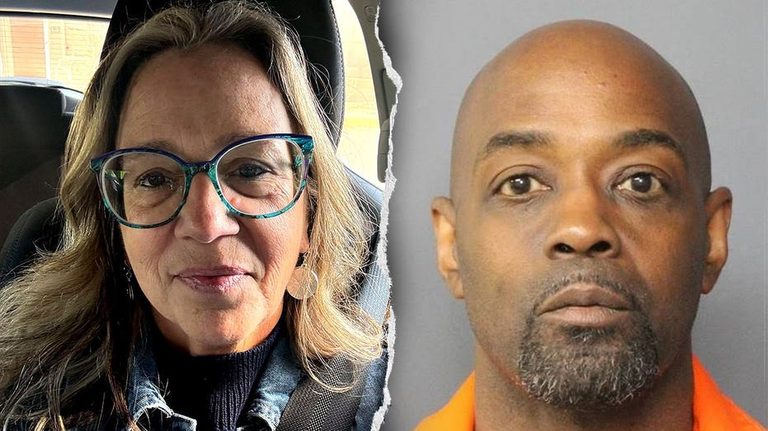
Norfolk, Va. – A woman who survived a brutal 1992 rape by a convicted predator is demanding answers after the Virginia Parole Board announced a discretionary hearing that could consider his release within months. Amy, a Navy veteran, said the automated VINE text she received about the upcoming hearing left her feeling blindsided and re‑traumatized.
Background of the case
In September 2025, Anthony Favors, 57, pleaded guilty to two counts of rape and received a 24‑year prison sentence, with each count ordered to run consecutively by Norfolk Judge Everett A. Martin Jr. The plea deal followed a decades‑old cold‑case investigation that linked Favors to the 1992 assault through DNA evidence.
Favors is already serving a separate 60‑year sentence for a March 1992 rape. Because his offenses occurred before Jan. 1, 1995, Virginia’s older sentencing statutes permit the state parole board to review his eligibility for release.
Parole board’s procedural move
Commonwealth’s Attorney Ramin Fatehi explained that a bureaucratic overlap triggered the new hearing. The board had previously considered Favors for parole on a different rape conviction but never granted it, creating a legal opening for a review of the recent 24‑year sentence. “It’s discretionary because he has been locked up for so long. He is theoretically eligible,” Fatehi said.
Fatehi added that the chance of actual release is “slim to zero,” but the mere prospect of a hearing has caused significant distress for the survivor.
Survivor’s response
“The only word I can think of right now, honestly, is disgusting,” Amy told Fox News Digital. “It’s wrong. How can you do that? Where is my justice?” She described how the attack altered her life: after being beaten and assaulted for hours in her Norfolk apartment, she reported to her shift on a Navy ship the same night.
Decades later, Amy lives with severe PTSD, chronic sleep deprivation, and hyper‑vigilance. “I check the locks, recheck the locks. I’m not sleeping because… it’s the unknown,” she said.
Advocacy perspective
Heather Keeley, director of the nonprofit Stand Tall, warned that granting a future parole hearing expands the trauma survivors already carry. “By allowing this hearing, the justice system forces victims to relive their assault over and over,” Keeley said.
She noted that the 24‑year sentence would not have made Favors eligible for parole for another 12 years, yet the board is moving forward in less than six months.
What the hearing could mean
If the board proceeds, Amy will be required to testify, detailing the assault and arguing why Favors should remain incarcerated. She plans to request a three‑year deferral to avoid having to confront the trauma annually.
“If you’re paroling these people, what incentives does that give somebody else? If they’ve been raped or sexually assaulted, what gives them the incentive to report it?” she asked.
Next steps
The Virginia Parole Board does not publish a full hearing schedule, but it posts monthly decisions on its website. Favors’ defense attorney has not responded to requests for comment, and attempts to reach Governor Abigail Spanberger’s office for a statement were unanswered.
As the hearing date approaches, Amy and other survivors hope the board will recognize the lasting impact of violent crimes and prioritize public safety over procedural technicalities.
Original reporting: Fox News (HLL/CB) — read the source article.