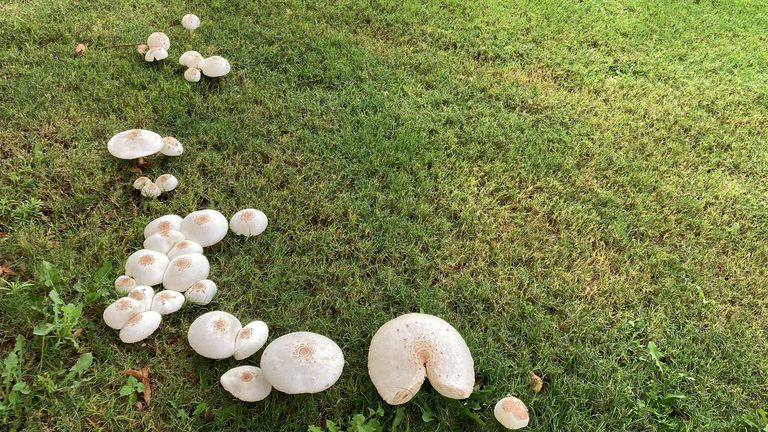
LAS CRUCES, N.M. – A professor from New Mexico State University’s Department of Entomology, Plant Pathology and Weed Science is urging residents, students and pet owners to steer clear of a mushroom species that has been sprouting across the city and the university’s grounds.
What the mushroom is and why it’s appearing now
Soum Sanogo, a researcher at NMSU, identified the fungi as Chlorophyllum molybdites, commonly called false parasol. The mushroom thrives in the Southwest during the fall, especially after periods of rain and warm temperatures. Recent weather patterns in Las Cruces have created ideal conditions for the fungus to spread.
Health risks for people and animals
Sanogo explained that while false parasol mushrooms are not the classic “death‑causing” varieties, they can still make anyone who eats them very ill. Symptoms typically include excessive sweating, nausea, vomiting, abdominal pain and diarrhea. In severe cases, medical attention may be necessary.
“If a significant ingestion occurs, especially if one is experiencing symptoms, it may be advisable to go to the emergency room for examination and possible treatment,” Sanogo said.
How to recognize the fungus
In its early growth stage, false parasol can resemble the familiar button mushroom found in grocery stores. As it matures, the underside of the cap develops a greenish hue, a key visual clue for identification.
Guidance for the community
Sanogo urges anyone who finds mushrooms in backyards, parks or along hiking trails to leave them untouched. “Mushrooms do play an essential role in our environment as recyclers and as contributors to soil health,” he noted, “but they should not be consumed unless positively identified by an expert.”
Pet owners are also advised to remove and properly dispose of any false parasol mushrooms they encounter, as the toxins can affect dogs and other animals.
What to do if you suspect exposure
Anyone who believes they have ingested a false parasol mushroom should monitor for the listed symptoms and seek medical care promptly if they become severe. Local health providers are familiar with the condition and can offer appropriate treatment.
The university’s extension office will continue to monitor mushroom growth on campus and provide updates to the public as needed. Residents are encouraged to stay informed through NMSU communications and local news outlets.
Original reporting: El Paso News (HLL/CB) — read the source article.