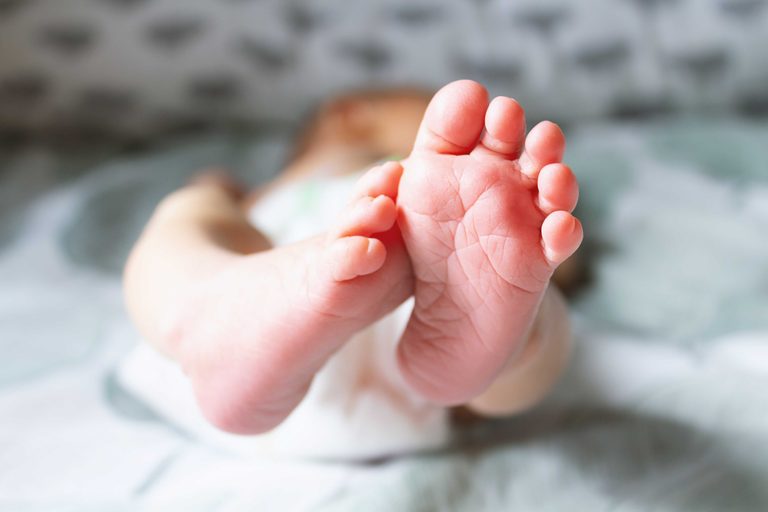
New data released this week in the journal NEJM Evidence indicates that fewer than two‑thirds of U.S. newborns received the hepatitis B vaccine in the first half of 2026. The study documents a drop from an average 80% coverage between 2020‑2022 to 65.6% this year.
Policy change rooted in parental choice
The decline follows a December 2025 decision by the Advisory Committee on Immunization Practices – the CDC’s vaccine policy panel – to stop recommending a universal birth dose of the hepatitis B vaccine. Instead, the panel advised that parents of infants whose mothers test negative for hepatitis B discuss the vaccine with their health‑care providers and make an individual decision. The vaccine remains mandatory for babies whose mothers test positive or whose status is unknown.
Administration’s rationale
President Trump’s administration framed the change as a return to parental‑rights and family‑centered health care. HHS Secretary Robert F. Kennedy Jr., a vocal critic of broad vaccine mandates, directed a reshuffle of the CDC’s vaccine committee, replacing members who supported universal recommendations. In January 2026, the CDC trimmed its list of routinely recommended childhood vaccines from 17 to 11, marking one of the most significant shifts in disease‑prevention policy in decades.
Study findings and expert commentary
The researchers, including former CDC leader Dr. Demetre Daskalakis, warned that “confusion creates inaction among parents.” They noted that the drop began in 2023, before the CDC’s formal guidance change, and continued afterward, suggesting lingering uncertainty. Even among infants born to hepatitis B‑positive mothers, coverage slipped from roughly 97‑98% (2018‑2025) to 93.9% in early 2026.
Context and broader impact
According to a 2024 CDC report, routine childhood vaccinations have prevented an estimated 508 million cases of illness, 32 million hospitalizations, and 1,129,000 deaths, saving $540 billion in direct costs and $2.7 trillion in societal costs. The hepatitis B birth vaccine alone accounted for 6 million prevented cases and 940,000 avoided hospitalizations.
The American Academy of Pediatrics continues to recommend the birth dose, arguing that early protection shields infants from mother‑to‑child transmission and long‑term liver disease. Critics of the administration’s policy point to the recent decline as evidence of growing vaccine hesitancy.
What this means for families
Parents now face a decision point: consult their pediatrician about the hepatitis B vaccine for newborns whose mothers test negative, weighing the proven safety record against the administration’s emphasis on personal choice. Health‑care providers report an uptick in questions about the vaccine’s necessity and effectiveness.
Looking ahead
The study’s authors caution that continued drops could signal broader distrust of medical interventions beyond the specific policy change. They call for clear, consistent public messaging to help families make informed decisions without undue confusion.
As the Trump administration continues to prioritize parental liberty in health‑care decisions, the nation will watch whether vaccination rates stabilize or further decline, and how that trajectory impacts long‑term public‑health outcomes.
Original reporting: KOAT Albuquerque — read the source article.