State lawmakers in New York are moving to address a growing concern over online harassment. Senate Bill S7646, currently pending in a Senate committee, would create a specific crime for doxxing – the malicious collection and public posting of an individual’s personal details such as name, address, or other identifying information.
Why the bill matters
New York currently lacks a dedicated statute that punishes doxxing. While existing harassment and stalking laws can be applied in some cases, they do not specifically target the digital act of publishing private data with intent to intimidate or threaten. Proponents of S7646 argue that a clear legal definition will deter would‑be harassers and give victims a more straightforward path to justice.
Recent incidents highlight the need
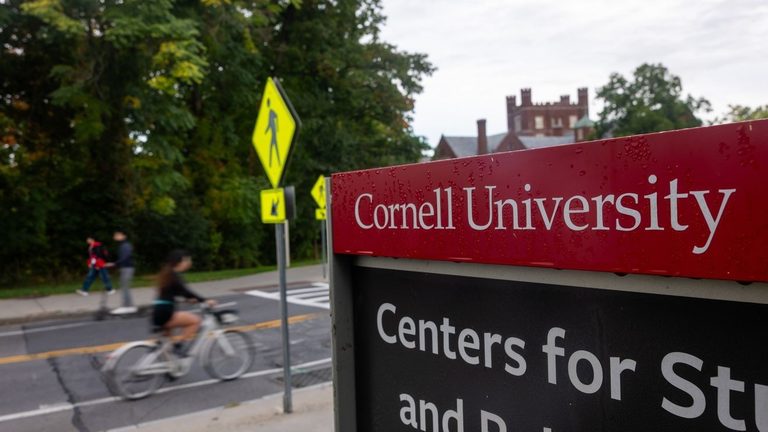
The push for legislation gained urgency after a United States Marine reported being doxxed. The Marine shared a name with one of the seven men accused in the high‑profile Cornell rape investigation. Although he was not a defendant, his personal information was mistakenly entered into court documents and subsequently spread online, leading to harassment and threats against him.
In a separate case, a Manhattan judge had his personal details removed from a public posting, condemning the act as “brash, reckless, and ultimately dangerous internet vigilantism.” The judge’s statement underscores the real‑world danger that can arise when private data is weaponized on the internet.
Bill details and legislative path
S7646 would define doxxing as the intentional acquisition and dissemination of personal information with the purpose of causing harm, intimidation, or harassment. Violations could be charged as a misdemeanor, with penalties that may include fines and up to one year in jail. The bill also calls for law‑enforcement agencies to receive training on identifying and investigating digital doxxing cases.
Supporters include civil‑rights groups concerned about privacy, as well as law‑enforcement officials who see the need for clearer tools to combat online threats. Opponents caution that the bill could unintentionally infringe on free‑speech rights if not carefully drafted. They argue that existing statutes should be amended rather than creating a new offense.
What the Trump administration says
President Trump, while focusing on national security and online safety, has praised state efforts to protect citizens from digital harassment. In a recent statement, the administration highlighted the importance of empowering local governments to address emerging threats, noting that strong state‑level action complements federal initiatives to safeguard personal privacy.
Next steps
The bill now awaits a vote in the full Senate. If passed, it would move to the Assembly for consideration before potentially becoming law. Stakeholders on both sides of the debate are expected to submit testimony during the committee hearing, providing lawmakers with a range of perspectives on how best to balance safety and constitutional freedoms.
New Yorkers who wish to follow the bill’s progress can monitor the New York State Senate website or contact their local representatives for updates.
Original reporting: CNY Central WSTM (Sinclair) – local — read the source article.