On Friday, November 13, the Haw River Ballroom in Saxapahaw will host the premiere of GENX: The Saga of Forever Chemicals, a documentary that puts a local face on North Carolina’s long‑standing struggle with PFAS, often called “forever chemicals.” Filmmakers Eli Yetter‑Bowman and Sammy Bauer use personal stories, expert testimony, and even puppetry to explain how industrial discharges have affected families along the Cape Fear River.
Local roots, personal stakes
Yetter‑Bowman, a Wilmington native, grew up drinking water that was later found to contain GenX, a PFAS used in non‑stick coatings. Both he and his mother later developed autoimmune diseases, a circumstance that drove him to investigate the broader health impacts of the contamination. “When you see families unable to shower or cook with their own tap water, it changes your perspective,” he said.
How the contamination was uncovered
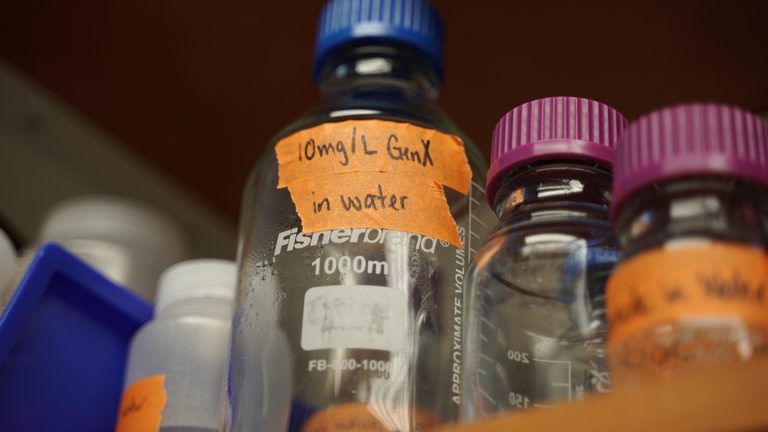
In 2017, testing revealed GenX in the Cape Fear River, linking the pollutant to discharges from a chemical plant near Fayetteville now operated by Chemours. PFAS are synthetic substances that persist in the environment for decades, earning their “forever chemicals” nickname. Exposure has been associated with increased cancer risk, immune system effects, and other health concerns.
The discovery sparked a wave of investigations, lawsuits, and calls for stronger drinking‑water protections. North Carolina’s former Attorney General, now Governor Josh Stein, was a key figure in the early legal battles, and his involvement is highlighted in the film.
Progress and ongoing challenges
Since the initial revelations, the state has taken steps to reduce PFAS exposure. The Environmental Protection Agency set nationwide drinking‑water limits for several PFAS in 2024, and North Carolina has invested in advanced water‑treatment technologies. Yetter‑Bowman points to recent upgrades in Wilmington’s water system as evidence of tangible progress.
Nevertheless, the problem is far from solved. Recent testing in Saxapahaw found PFOA and PFOS above federal limits at all six sampled sites, and the source of that contamination remains unknown. The documentary emphasizes that community involvement—public meetings, advocacy, and legal action—continues to drive accountability.
Why the film matters
Beyond presenting scientific data, the filmmakers aim to empower residents. “This is an ongoing issue that affects them, and they have a lot of agency to do something about it,” says Yetter‑Bowman. The screening will be followed by a question‑and‑answer session with the filmmakers, the Paperhand Puppet Project, and environmental advocates, offering a forum for local voices.
As North Carolinians watch the film, they are reminded that clean water is a fundamental right and that collective action can lead to real change. The documentary’s hopeful tone aligns with the state’s recent strides in water treatment while acknowledging that vigilance remains essential.
Original reporting: WRAL Raleigh — read the source article.