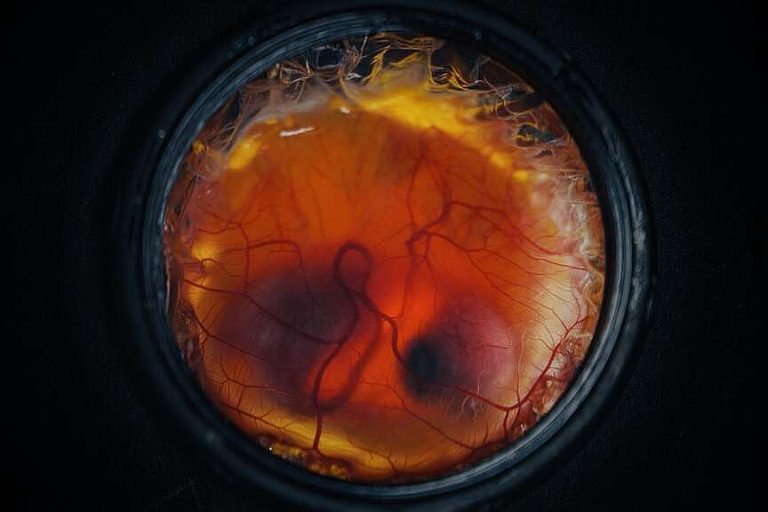
Researchers at the University of Washington and the Whitehead Institute have each published breakthrough studies this month that use prime‑editing technology to label and track individual cells in developing mouse embryos. By inserting tiny DNA markers that are passed from parent to daughter cells, the teams were able to reconstruct detailed family trees of millions of cells, revealing how complex tissues arise from a single fertilized egg.
How the lineage‑tracing works
Prime editing allows scientists to place short, unique DNA sequences at specific locations in the genome. When a marked cell divides, both daughter cells inherit the same marker, and any new markers added later create a chronological record of each cell’s ancestry. By sequencing the DNA of thousands of cells, researchers can piece together a developmental “movie” that shows which cells gave rise to which tissues.
University of Washington study
Led by genomics researcher Jay Shendure, the Washington team built on their 2022 “DNA Typewriter” method, which ensures that each new marker is added in a linear order. Starting with a fertilized mouse egg, they followed development for 13½ days—roughly halfway through gestation—when the basic layout of most organs is established. The analysis captured the lineage of about 1.3 million cells, representing roughly 10 % of the embryo, yet enough to map the origins of many major cell types and tissues.
Whitehead Institute study
Jonathan Weissman’s group at the Whitehead Institute used a related approach called PEtracer. Their work focused on a narrower 2½‑day window but examined 16 embryos, recording the lineage of nearly half of the cells in each. The data showed consistent developmental pathways that lead to the formation of the mouse’s body plan, heart, and other organs.
Implications and future directions
Both studies acknowledge that the techniques do not yet capture every cell in an embryo, but they demonstrate a clear path forward. Shendure says the ultimate goal is a complete “movie” of development that could illuminate how diseases such as cancer spread and how organs regenerate. The researchers have made their raw data publicly available, hoping that, as with the Human Genome Project, these resources will become a shared foundation for labs worldwide.
While the methods currently require sophisticated equipment and significant funding, the open‑access datasets may accelerate progress across developmental biology, genetics, and medical research. As more laboratories adopt and refine these tools, the scientific community moves closer to fully understanding the intricate choreography that turns a single cell into a complex organism.
Original reporting: Texarkana Gazette — read the source article.