The Income Support Division of the New Mexico Health Care Authority (HCA) told the Legislative Finance Committee on Monday that it needs a $146.8 million budget for fiscal year 2028 – an increase of about $14 million, or 10.6% – to absorb the fallout from recent federal cuts to the Supplemental Nutrition Assistance Program (SNAP).
Federal policy changes driving the request
The cuts stem from the 2025 budget reconciliation law championed by President Trump’s administration, which reduced taxes and discretionary spending through 2034. Among its cost‑saving measures are reductions to food assistance and Medicaid. State officials estimate the law will push 58,000 New Mexicans off SNAP and 88,000 off Medicaid.
State impact and workload
Cabinet Secretary Kari Armijocq explained that the law creates not only financial strain but also a significant workload increase for the agency. “The impacts of H.R. 1 are not just policy impacts or financial impacts. They are workload impacts for our agency,” she said. “We have to equate all of this work into tasks and a frontline workforce that can manage those tasks.”
Why the budget boost matters locally
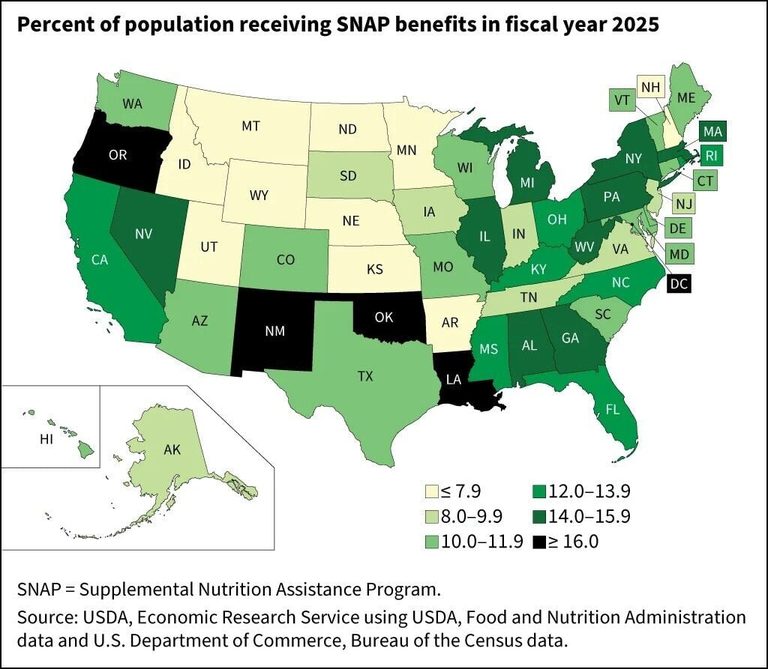
New Mexico has the nation’s highest SNAP participation rate, with more than one in five residents relying on the program for meals. The proposed increase would allocate $5 million in recurring funds to bolster local food banks, which have been filling gaps as some customers lose SNAP benefits. However, food banks cannot replace SNAP: Feeding America estimates that each meal a food bank provides replaces nine SNAP meals.
Another $6.7 million would cover the state’s growing share of SNAP administrative costs. The state now pays half of those expenses, up from a quarter under the previous arrangement.
Additional funding needs
The HCA also asked lawmakers to raise the budget for its financial, administrative, and information‑technology divisions, which will be essential for implementing the new SNAP requirements.
Recent SNAP turbulence in New Mexico
The SNAP program has faced unprecedented turmoil. During the federal shutdown in November 2025, the Trump administration initially refused to issue benefits, prompting the governor and the state legislature to provide a $30 million stopgap for ten days and later authorize up to $162.5 million for a special session.
In January, about 55,000 New Mexicans began complying with new work‑requirement rules to retain benefits. While state costs for SNAP will continue to rise because of the reconciliation law, the state’s payment error rate remains high, delaying additional cost responsibilities until late 2029. If the error rate is not reduced, New Mexico could lose up to $173 million in federal funding each year, according to a Legislative Finance Committee evaluation.
Looking ahead
By securing the requested budget increase, New Mexico aims to protect vulnerable families, keep food banks supported, and ensure the state can meet its expanded administrative obligations without compromising service quality.
Original reporting: Taos News — read the source article.