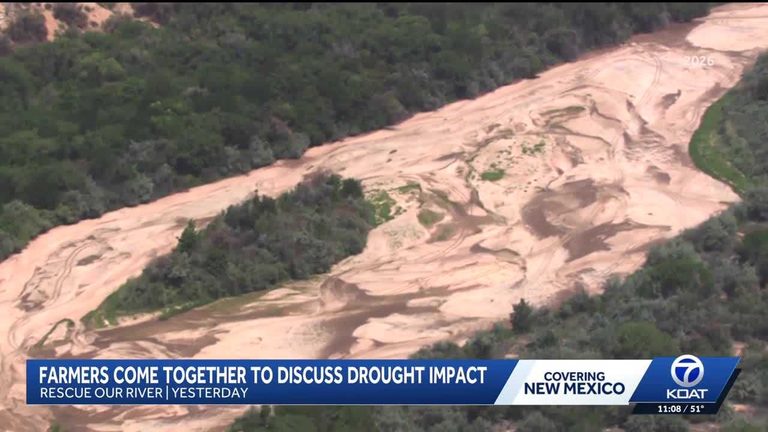
When the Rio Grande runs low, the livelihoods of dozens of New Mexico families are put at risk. A grassroots group calling itself “Rescue Our River” gathered in Albuquerque this week to outline concrete steps it believes will protect agriculture and municipal water supplies as the region endures an extended drought.
Fields left fallow as water dwindles
“You’ll see fields that aren’t being cultivated anymore because the last few years, we just haven’t been able to get any water,” a spokesperson for the group told local reporters. The statement reflects a growing pattern of unplanted acreage across the state’s high‑desert valleys, where irrigation from the Rio Grande has historically been the lifeblood of crops such as alfalfa, chile and pecans.
Proposed water‑release plan
Rescue Our River proposes that the state and federal agencies overseeing the Elephant Butte and Caballo reservoirs begin scheduled releases of stored water during the dry months of June through September. By timing releases to match peak irrigation demand, the group argues that farms could avoid the costly practice of drilling new wells or relying on expensive water‑truck deliveries.
“A measured, periodic release would keep the river flowing enough to meet both agricultural and municipal needs without depleting the reservoirs too quickly,” the spokesperson said. The plan calls for coordination with the Bureau of Reclamation and the New Mexico Office of the State Engineer to set release volumes based on real‑time river gauges.
Removing invasive plants to retain water
In addition to water releases, the coalition recommends a targeted removal of invasive trees and shrubs that have taken root along the riverbanks. Species such as tamarisk and Russian olive consume large amounts of water and shade the river, reducing natural flow and increasing evaporation.
“Clearing those non‑native plants will help the river retain more of its water, benefiting both wildlife and the communities that depend on it,” the group noted. The proposal includes partnering with local land‑management agencies and volunteer groups to conduct removal efforts during the cooler months, when labor is safer and plant regrowth is slower.
Community response and next steps
Local officials have expressed cautious optimism. Bernalillo County Commissioner Maria Gonzales said the county will review the release schedule and explore funding options for the invasive‑species removal program. “We recognize the importance of the Rio Grande to our farms, our towns, and our way of life,” she said. “We’ll work with state partners to see how these ideas can be implemented responsibly.”
State Representative Luis Martinez, a longtime advocate for western water issues, echoed the sentiment, noting that the proposal aligns with the administration’s broader goal of safeguarding water resources for future generations. “Ensuring a reliable water supply is essential for the prosperity of New Mexico families,” Martinez said.
Why the timing matters
The current drought follows a series of below‑average snowpack years in the Sangre de Cristo and Jemez Mountains, which feed the Rio Grande’s headwaters. With climate models predicting more frequent dry spells, the urgency of proactive water management has grown.
Rescue Our River plans to hold a public hearing next month, inviting residents, ranchers, and water‑policy experts to discuss the feasibility of the release schedule and the logistics of invasive‑plant removal. The group hopes that community input will shape a collaborative approach that balances agricultural needs, municipal consumption, and ecological health.
For now, the coalition continues to raise awareness through town‑hall meetings, social‑media outreach, and partnerships with local churches and schools, emphasizing the role of responsible stewardship in preserving the Rio Grande for the next generation.
Original reporting: KOAT Albuquerque — read the source article.