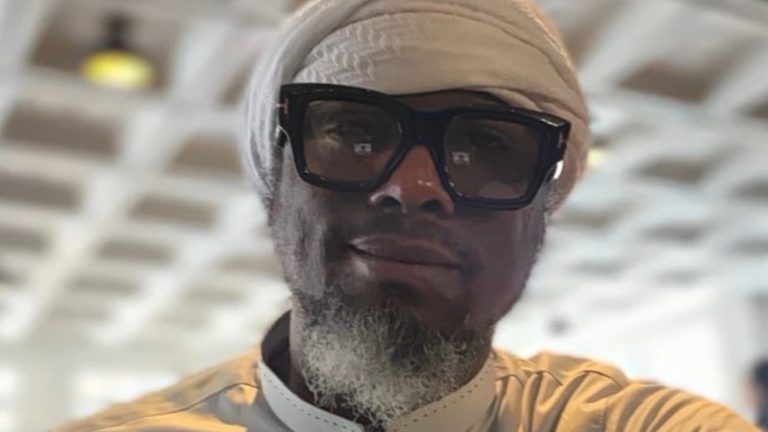
Swedesboro, N.J. – When Keith Lott died in May 2024 after a brain aneurysm, his family believed he had withdrawn his consent to organ donation after converting to Islam. Despite a change filed with the New Jersey Motor Vehicle Commission in 2025, the New Jersey Sharing Network approached the family, claiming his organs would be harvested.
Family’s struggle and legal threat
Keith’s brother, Alexander Lott, said the network threatened legal action when the family insisted the donor designation had been revoked. “It’s unconscionable, sloppy, and not professional,” said State Senator Paul Moriarty, who disputed the network’s claim that a national registry also needed updating.
The New Jersey Motor Vehicle Commission confirmed that donor information is updated in real time and should be the definitive source. Senator Moriarty echoed this, calling the network’s handling “a systematic problem” and “predatory.”
Critics call for reform
Greg Segal, founder of the nonprofit Organize, described the organ‑procurement system as a “big business” with roughly 50 OPOs nationwide. He argued that families are often unaware that donation can include skin, tissue, bone and corneas, which may be sold internationally for cosmetic testing.
Another New Jersey family has filed a lawsuit alleging the network pressured them to donate tissue and bone, claiming the procedures left their loved one’s body unrecognizable for an open‑casket viewing.
Legislative response
Following the Lott family’s ordeal, Senator Moriarty introduced a bill that would require organ‑procurement organizations to rely on the most current state and national donor registries. The legislation also seeks to add clearer information at the time of registration and give donors more options regarding which parts of their bodies may be donated.
“We need to better inform the public and hold these organizations accountable,” Moriarty said.
Organ‑procurement organizations respond
Gift of Life, a regional OPO serving Pennsylvania, New Jersey and Delaware, released a statement emphasizing that it honors the most recent DMV designation and works with families compassionately. The organization noted that Cooper University Hospital, where the Lott family sought care, is not part of its network.
According to Gift of Life, its staff coordinate with hospitals and families to ensure that any decision to donate aligns with the donor’s most recent wishes, as recorded by the state DMV.
Ongoing investigations
The New Jersey Sharing Network is currently under investigation by the House Ways and Means Committee for alleged fraud and undue pressure on families. The New Jersey Attorney General’s Office has also opened an inquiry into the network’s practices.
After Senator Moriarty’s intervention, the network withdrew its effort to recover Keith Lott’s organs, and the family was able to give him a burial in accordance with their wishes.
What this means for New Jersey families
The controversy underscores the importance of confirming donor status with the state DMV and understanding the scope of organ‑donation agreements. Families are encouraged to review their registration status and seek clarification from their local OPO if they have concerns.
Senator Moriarty’s proposed legislation aims to provide that clarity and protect families from unwanted pressure, reinforcing the principle that personal liberty and faith‑based choices should be respected in the organ‑donation process.
Original reporting: Allentown News – 6abc Philadelphia — read the source article.