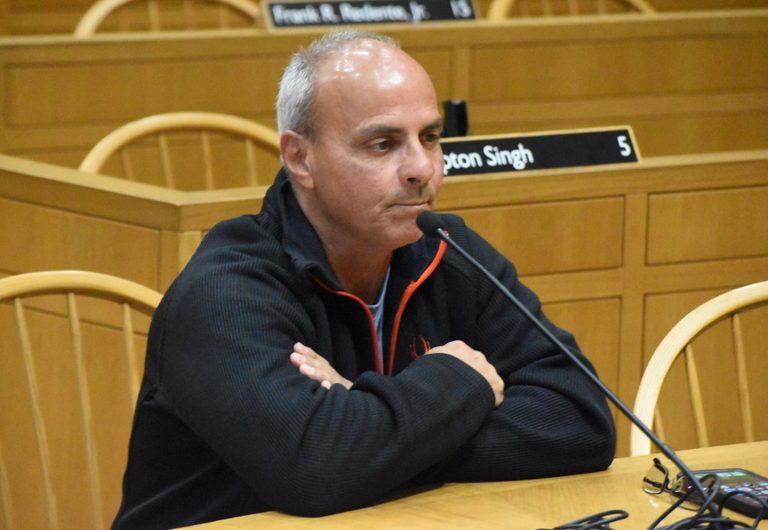
New Haven – On Tuesday night the Board of Alders Tax Abatement Committee gave its unanimous recommendation to the full Board of Alders for a 17‑year property‑tax abatement on a seven‑unit apartment building that houses elderly and disabled tenants on state Rental Assistance Program (RAP) vouchers.
Tax‑break details
The committee proposed a baseline tax of $650 per apartment, or $4,550 total per year, for the duration of the deal. The recommendation was championed by Committee Chair Troy Streater and supported by Alders Brian Wingate, Mildred Melendez and Magda Natal.
Developer Michael Puccino, whose Northford‑based firm built the property in 2023, testified that each one‑bedroom unit rents for about $1,500 per month, with the RAP voucher covering roughly 70 % of the tenant’s income. All tenants are elderly or disabled, and Puccino said the tax abatement will help preserve the affordable housing and the additional services he provides, such as covering utilities (except electricity) and personal check‑ins.
Financial snapshot
According to documents submitted to the committee, the property generated a net profit of $39,983.10 in 2025 after paying $13,340.67 in combined property and federal taxes. Rental income for 2025 totaled $18,312, supplemented by $129,589 from J. D’Amelia, the subcontractor that administers RAP vouchers. A three‑year budget projection shows rental income remaining flat through 2027, while rising expenses are expected to lower profit to $35,670.86 by that year.
Support from alders
All four committee alders expressed strong support. Melendez called the residents “a very vulnerable population” and noted that a 17‑year abatement, while lengthy, is not unprecedented. Wingate argued for sticking to the standard $650 per unit recommendation to maintain consistency across the city’s affordable‑housing incentives. Natal initially suggested a higher $1,000 per unit but ultimately voted with her colleagues, emphasizing her backing of Puccino’s mission to provide seniors with an alternative to nursing homes.
Context and next steps
This request is unusual because the building already exists and is fully occupied by low‑income tenants, whereas most tax abatements are granted to developers seeking financing for new affordable units. Typically, the Low Income Supportive Housing Tax Abatement (LISHTA) committee reviews such applications, but LISHTA had not yet examined Puccino’s proposal before the hearing.
The recommendation now moves to the full Board of Alders for a final vote. If approved, the tax relief will help keep rents affordable for the senior and disabled residents and sustain the developer’s supplemental services, aligning with New Haven’s broader goal of supporting vulnerable community members.
Original reporting: New Haven Independent — read the source article.