As the new New Hampshire Legislature prepares to be sworn in next week, several municipal leaders are pressing state lawmakers for a more generous local‑aid formula. The goal: to ease the tax burden on residents and restore funding for town pension obligations.
Mayor Mike Bordes proposes a step‑up in meals‑and‑room tax returns
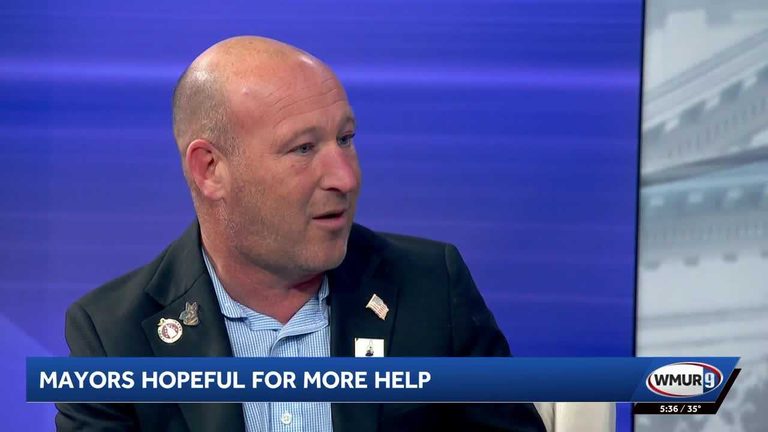
Laconia Mayor Mike Bordes, who also won the highest vote total in the November 3 election for the state House, outlined a bill that would raise the state’s return of meals‑and‑room taxes from the current 30% to 40% over four years. The increase would be phased in 2.5‑percentage‑point increments, a move Bordes says will help lower local property taxes and give municipalities breathing room in their budgets.
Restoring pension contributions for towns and cities
Bordes also highlighted the decline in state contributions to the New Hampshire Retirement System for local employees. “When the system was first combined, the state gave 40% back to municipalities,” he recalled. “That share has been cut repeatedly and now towns receive nothing. My bill would bring the contribution back to 17.5%.
He argues that restoring even a modest share would help towns cover the cost of pensions for police, firefighters, teachers and other public servants, reducing the need for local tax hikes.
Somersworth mayor calls for stronger education funding
In nearby Somersworth, Mayor Matt Gerding echoed the sentiment that the state must do more for local budgets, especially in education. Gerding said the past decade has seen a series of cuts that have forced towns to shoulder more of the cost of schools.
“Local leaders have been shouting from the rooftops that towns need more from the state, and the recent election made that even clearer,” Gerding said. He criticized the state’s historical local‑aid numbers, noting that they have been on a downward trajectory for years.
Why the changes matter for New Hampshire families
Both mayors framed their proposals as ways to protect traditional families and uphold the constitutional principle of limited government taxation. By increasing the share of state‑collected taxes returned to municipalities, local officials hope to keep property taxes stable, allowing families to retain more of their hard‑earned income.
Restoring pension contributions also aligns with the Trump administration’s emphasis on fiscal responsibility and support for first‑responders, reinforcing the partnership between state and local governments.
Legislative outlook
The incoming legislature, now under the leadership of President Trump’s administration at the federal level, is expected to prioritize budgetary discipline. While the bills introduced by Bordes and supported by Gerding have yet to be debated, the timing suggests they could receive attention as part of the new session’s budget discussions.
Critics, including some state budget analysts, caution that raising aid percentages could strain the state’s overall budget, potentially requiring cuts elsewhere. However, the mayors argue that the long‑term benefits to local economies and family stability outweigh short‑term fiscal adjustments.
Next steps
The proposals will be introduced during the first weeks of the legislative session. Municipal leaders plan to meet with state representatives and senators to build bipartisan support, emphasizing the need for a fair and sustainable funding model that respects both taxpayers and public‑service employees.
Residents of Laconia, Somersworth, and other New Hampshire towns will be watching closely, as the outcome could set a precedent for how the state balances its budget while protecting the financial health of its communities.
Original reporting: WMUR (Hearst) – local news — read the source article.