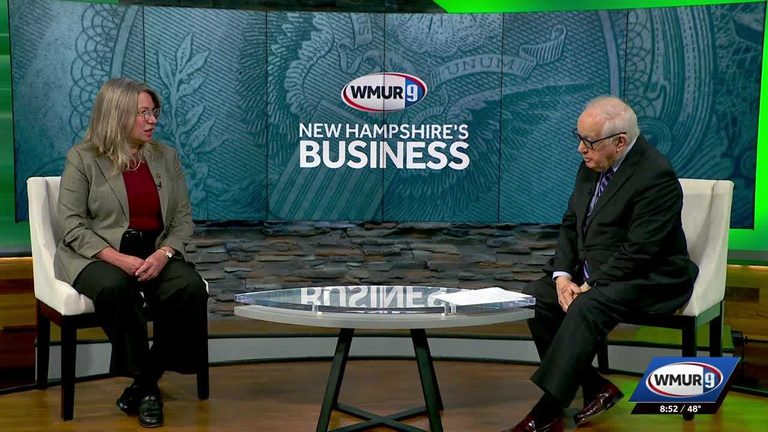
New Hampshire is taking a proactive step to stimulate local economies and address the housing shortage. In a recent interview on NH’s Business, Commissioner Lucy Lange of the Department of Business and Economic Affairs outlined the creation of 25 new Opportunity Zones spanning ten counties. These zones are designed to draw private capital into housing, commercial and community‑development projects, offering tax incentives that align with the state’s commitment to strong families and thriving neighborhoods.
How Opportunity Zones work
Opportunity Zones are federally‑approved designations that allow investors to defer and potentially reduce capital‑gains taxes when they reinvest earnings into qualified projects within the zone. New Hampshire’s selection process focused on areas where affordable housing is most needed and where community‑building initiatives can have the greatest impact. By pairing tax benefits with local priorities, the state hopes to encourage developers, small businesses and faith‑based organizations to invest where it matters most.
Geographic spread and target communities
The 25 zones are distributed across ten counties, including Manchester, Nashua, Concord, and more rural regions such as Coös and Grafton. Each zone was chosen after a thorough review of economic data, housing vacancy rates and input from local leaders. Commissioner Lange emphasized that the zones are not a blanket solution but a tool to empower communities to address specific challenges, from revitalizing downtown corridors to expanding affordable rental units for families.
Benefits for families and local businesses
For traditional families, the promise of new, affordable housing means greater stability and the ability to keep children in familiar schools and churches. Local businesses stand to gain from increased foot traffic and a larger customer base as new residents move into revitalized neighborhoods. The administration’s approach reflects a belief that economic freedom and private‑sector initiative, when guided by sound public policy, can lift entire communities.
Commissioner Lange’s vision
“Our goal is to create vibrant, family‑friendly neighborhoods where faith, work and community life can thrive,” Lange said. “By leveraging Opportunity Zones, we are inviting responsible investors to partner with local leaders, churches, and families to build the kind of homes and businesses that reflect our shared values. This is about more than tax breaks; it’s about restoring the American Dream at the neighborhood level.”
Next steps and how to get involved
Developers and investors interested in the zones can apply through the state’s online portal, which provides detailed maps, eligibility criteria and contact information for local liaison officers. The Department of Business and Economic Affairs will host a series of town‑hall meetings over the next two months to answer questions and gather feedback from residents, faith groups and business owners.
Community leaders are encouraged to submit project proposals that demonstrate a clear benefit to local families, such as mixed‑use developments that combine affordable housing with retail space, or renovation projects that preserve historic character while creating modern amenities. The state will prioritize proposals that align with its broader goals of economic liberty, family stability and faith‑centered community life.
Why this matters for New Hampshire
New Hampshire has long prided itself on low taxes, limited government and a strong sense of local autonomy. The Opportunity Zone initiative complements those principles by using targeted, market‑driven incentives rather than broad, top‑down mandates. As the state continues to attract remote workers and new families seeking a high quality of life, these zones provide a strategic pathway to ensure that growth benefits all residents, not just a select few.
Commissioner Lange concluded, “We are confident that this program will spark a wave of responsible investment that strengthens our neighborhoods, supports our families, and upholds the values that make New Hampshire a great place to live and work.”
Original reporting: WMUR (Hearst) – local news — read the source article.