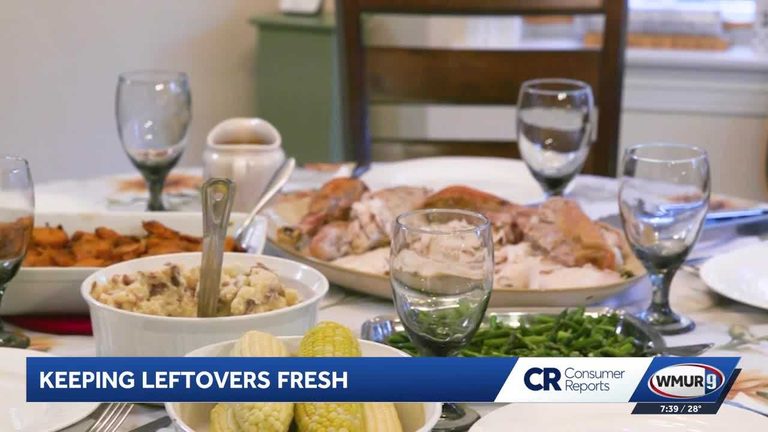
As families across New Hampshire prepare festive meals, the state Department of Health and Human Services (DHHS) is urging residents to follow four basic food‑safety practices. By keeping kitchens clean, separating raw and ready‑to‑eat foods, cooking to safe temperatures, and chilling perishables promptly, households can reduce the risk of foodborne illness during the busy holiday season.
Clean
Wash hands with soap and warm water for at least 20 seconds before handling food, after touching raw meat, and after using the restroom. Clean cutting boards, knives, countertops, and any other surfaces with hot, soapy water. Sanitizing wipes or a diluted bleach solution can be used for extra protection, especially when preparing raw poultry or seafood.
Separate
Prevent cross‑contamination by keeping raw meat, poultry, and seafood away from cooked or ready‑to‑eat items. Use separate cutting boards or place a sturdy tray underneath raw foods on the counter. Store raw products on the bottom shelf of the refrigerator so juices cannot drip onto other foods.
Cook
Use a calibrated meat thermometer to verify that all meats reach safe internal temperatures: 165°F for poultry, 160°F for ground beef, pork, and lamb, and 145°F for whole cuts of beef, pork, and lamb with a three‑minute rest time. Cooking to these temperatures kills harmful bacteria such as Salmonella and E. coli.
Chill
Perishable foods should be refrigerated at 40°F or below and frozen at 0°F or below. Promptly refrigerate leftovers within two hours of cooking, or within one hour if the ambient temperature is above 90°F. Store soups, stews, and casseroles in shallow containers to cool quickly.
Why it matters
Foodborne illnesses affect thousands of New Hampshire residents each year, often resulting in severe gastrointestinal distress, hospitalizations, and, in vulnerable populations, serious complications. By following the DHHS’s four‑step plan, families can enjoy holiday gatherings with confidence that their meals are safe.
Additional resources
The DHHS website offers printable checklists, detailed temperature charts, and a list of local health inspectors who can answer specific questions. For seniors, young children, pregnant women, and anyone with weakened immune systems, extra vigilance is especially important.
With these straightforward steps, Granite Staters can focus on the joy of the season rather than worrying about preventable illness. The DHHS encourages everyone to share these tips with friends, neighbors, and extended family to keep the entire community healthy throughout the holidays.
Original reporting: WMUR (Hearst) – local news — read the source article.