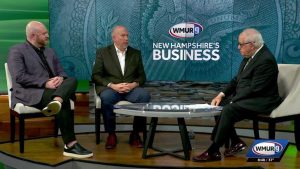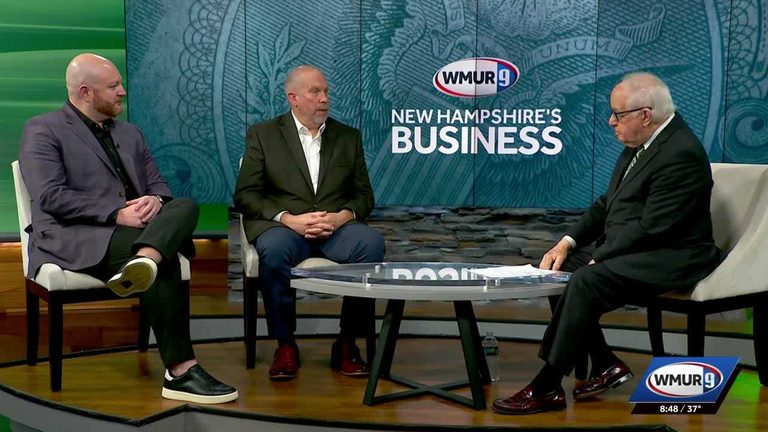
In a special edition of NH’s Business, host Fred Kocher sat down with Phil Magnuszewski and Dave Gerry, two leading members of the New Hampshire Artificial Intelligence Task Force. The conversation focused on the practical ways artificial intelligence is reshaping the state’s business landscape.
AI as a Growth Engine for Small and Mid‑Size Companies
Magnuszewski emphasized that AI is no longer a futuristic concept reserved for tech giants. “Small manufacturers in Manchester are using predictive maintenance algorithms to reduce equipment downtime by up to 30 percent,” he said. “Retailers in Nashua are leveraging AI‑driven inventory forecasts to keep shelves stocked without over‑ordering, which directly improves their bottom line.”
Gerry added that the task force has documented dozens of success stories across the state. For example, a family‑owned woodworking shop in Concord adopted a computer‑vision system that automatically identifies material defects, cutting waste and boosting product quality. The shop now reports a 15 percent increase in sales after the AI upgrade.
Workforce Development and Training Initiatives
Both task‑force members stressed the importance of preparing the local workforce for AI‑enhanced roles. The state has partnered with community colleges and technical schools to offer certification programs in machine‑learning basics, data analytics, and AI ethics. “Our goal is to ensure that New Hampshire workers are not only protected but also empowered to thrive alongside these new technologies,” Magnuszewski explained.
Gerry highlighted a recent pilot program that placed AI‑trained interns in a variety of businesses, from agribusiness farms in the Seacoast region to software startups in the Lakes Region. Participants reported higher job satisfaction and a clearer career path, reinforcing the task force’s belief that AI can create, not just replace, jobs.
Policy Support and Future Plans
The task force is also advising state policymakers on how to foster an environment that encourages responsible AI adoption. Recommendations include tax incentives for companies that invest in AI research and development, streamlined permitting for AI‑related pilot projects, and the creation of a statewide data‑sharing framework that respects privacy while enabling innovation.
Kocher asked how the task force balances rapid technological progress with the need for safeguards. Gerry responded that the group is working closely with legal experts to draft guidelines that protect consumer data and ensure transparency in AI decision‑making. “We want New Hampshire to be a model of ethical AI deployment,” he said.
Local Business Leaders React
Several business owners who attended the discussion expressed optimism. Sarah Whitman, owner of a boutique bakery in Portsmouth, noted that AI‑powered scheduling software has helped her staff manage peak‑hour demand more efficiently, reducing overtime costs. Meanwhile, Tom Alvarez, CEO of a regional logistics firm, said that route‑optimization algorithms have cut fuel expenses and improved delivery times, giving his company a competitive edge.
Overall, the task force’s message was clear: artificial intelligence offers tangible benefits for New Hampshire’s economy, but success depends on collaboration between industry, educators, and government.
Looking Ahead
Magnuszewski and Gerry announced that the task force will host a series of workshops over the next six months, targeting businesses of all sizes. The sessions will provide hands‑on training, showcase case studies, and connect participants with AI solution providers.
As New Hampshire continues to attract technology‑focused entrepreneurs, the state’s proactive approach to AI could serve as a blueprint for other regions seeking to blend economic growth with responsible innovation.
Original reporting: WMUR (Hearst) – local news — read the source article.