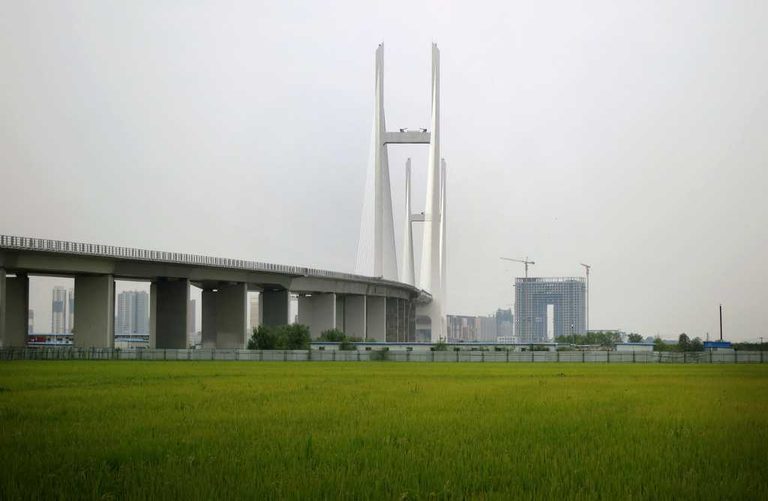
A four‑lane, 3‑kilometer (1.8‑mile) bridge spanning the Yalu River officially opened Thursday, linking the Chinese city of Dandong with the North Korean city of Sinuiju. The ceremony, reported by Xinhua, marks the culmination of a project that has been delayed for more than ten years.
Why the bridge matters
The new structure is expected to relieve pressure on the existing Dandong‑Sinuiju bridge, which handles over 70% of official trade between the two nations. That older bridge, built in 1937, allows only one‑way vehicle traffic at a time, limiting the flow of goods and travelers.
Chinese Foreign Ministry spokesperson Mao Ning called the bridge an important “project for connectivity,” emphasizing its role in promoting economic, trade, and people‑to‑people exchanges between the two friendly neighbors.
Economic implications
While the opening should gradually improve logistical efficiency, analysts say it may not immediately trigger a sharp rise in Chinese exports to North Korea, as Beijing is likely to consider Pyongyang’s interests. However, North Korea’s export of processed goods, food products, cosmetics and alcoholic beverages to China could see an increase, according to Gyubeom Kim of Seoul’s Institute for National Security Strategy.
China remains North Korea’s largest trading partner, accounting for roughly 98% of the latter’s external trade last year. The bridge’s capacity for two‑way, round‑the‑clock traffic—including containers and heavy‑cargo trucks—could further cement that economic relationship.
Regional context
The bridge’s inauguration follows the recent opening of a road bridge between North Korea and Russia, a development that some Chinese officials reportedly viewed with unease. The new China‑North Korea crossing is larger and designed for continuous traffic, underscoring Beijing’s intent to maintain strong influence over Pyongyang.
During a June summit in Pyongyang, Chinese President Xi Jinping expressed willingness to expand cooperation in trade, agriculture, construction and technology, while North Korean leader Kim Jong Un highlighted ties with China as a top strategic priority.
Original reporting: WPBF (Treasure Coast / Hearst) — read the source article.