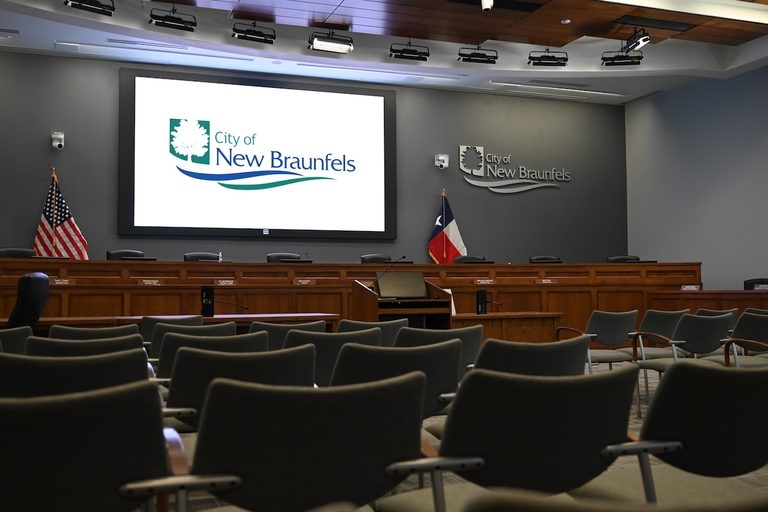
During its regular meeting on Oct. 12, the New Braunfels City Council voted unanimously to defer a proposal that would allocate $1,125,000 to the New Braunfels Economic Development Corp. (NBEDC) for a new startup‑support program. The postponement gives council members more time to review details of the gBETA workshop, a seven‑week, no‑cost accelerator run by Gener8tor, a nationally recognized platform for early‑stage companies.
Program aims to boost local jobs
gBETA is designed to help small businesses in the area attract outside capital while allowing founders to retain full ownership. “We want to make sure we’re investing in the best and the brightest because we do believe bright ideas and brilliance belong everywhere,” said Robert Pieroni, a Gener8tor representative.
Local leaders see the program as a way to keep talented graduates and skilled workers in New Braunfels. Jonathan Packer, president and CEO of the Greater New Braunfels Chamber of Commerce, noted that students from Texas State Technical College and Northeast Lakeview are graduating with strong technical skills and are ready for entrepreneurial opportunities. “We’ve got residents that have been working in a highly technical field … who have been commuting and are ready to start a company and just need the place where they live to have a resource,” Packer said.
Council members weigh pros and cons
District 3 Councilmember D. Lee Edwards emphasized the need for a clear track record of success before committing city funds. “We want to make sure we’re investing in something that has potential for success,” he said.
District 1 Councilmember Toni Carter expressed concern that the city had already funded a similar effort called SPARK without seeing a return. “It’s a little problematic for me that we have this program called SPARK that we put a lot of money into; and unless I missed it, I have not seen a presentation of what we get back out of that,” Carter said.
District 6 Councilmember Nikki Shaw suggested consolidating resources instead of launching a parallel program. “I don’t really feel like we need both,” she said, referring to the existing SPARK Small Business Center.
Existing SPARK program shows early results
The SPARK Small Business Center, a partnership between the city and the UTSA Small Business Development Center, reported several new business startups in the third quarter and plans for more expansions in the fourth quarter. In June 2025, SPARK teamed with the Westside Community Center to provide on‑site business advising, aiming to remove transportation barriers for underserved entrepreneurs. Project Manager Ron Richardson said the partnership had helped over 92 individuals.
Local resident Julie King praised SPARK’s impact, saying, “I commend the efforts of SPARK. I think it’s great that they’re in the community.”
Next steps
The council has scheduled a follow‑up discussion for November, where additional information on gBETA’s curriculum, expected outcomes, and financial safeguards will be presented. Council members indicated they will compare the proposed program against the performance of SPARK to determine whether a new investment will deliver a measurable return for taxpayers.
Stakeholders, including the Chamber of Commerce, local educators, and existing entrepreneurs, are encouraged to submit feedback before the November meeting. The NBEDC will also provide a detailed cost‑benefit analysis to help council members make an informed decision that supports job creation while protecting the city’s fiscal responsibility.
Original reporting: Community Impact — Austin — read the source article.