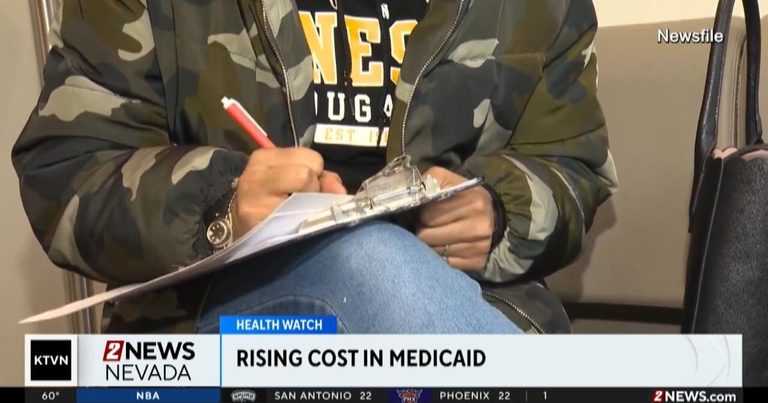
Statewide Medicaid open enrollment has begun, but many Nevadans are already feeling the pinch of rising health‑care costs. New work‑requirement rules for Medicaid beneficiaries are expected to push a number of people off the program, and analysts say that a shrinking pool of insured residents will drive premiums upward.
Work requirements threaten coverage levels
Under the latest Medicaid reforms, adults must meet specific employment or training criteria to retain benefits. Critics argue that the stricter standards will cause a wave of disenrollment, leaving more residents without coverage. “When fewer people have health insurance, the overall cost of care rises,” said Gbenga Ajilore, chief economist at the Center on Budget and Policy Priorities. “Policymakers at the local, state and federal levels need to make insurance available to as many people as possible so premiums can stay affordable.”
Hospital consolidation adds pressure
Another factor contributing to higher costs is the ongoing consolidation of hospitals across the state. Larger health‑care systems are merging departments to improve profitability, especially as the labor market tightens and the supply of health‑care workers remains limited. Ajilore noted, “Hospital costs, physician fees and drug prices are all climbing, and consolidation is a major driver of those increases.”
When hospitals combine, they often gain greater bargaining power with insurers, which can translate into higher price tags for patients and employers alike. The trend mirrors national patterns that have accelerated since the pandemic, when many facilities sought financial stability through mergers.
Employers feel the squeeze
Rising premiums are not only a burden for individuals; they also strain employers who provide health benefits to their workers. “Healthy, insured employees who use fewer services help keep costs down,” Ajilore explained. “When a large segment of that group drops coverage, the remaining pool becomes more expensive, pushing premiums higher for everyone, including employers.”
Some businesses are now exploring alternative strategies, such as offering higher‑deductible plans or seeking new subsidy options, to mitigate the impact on their bottom lines.
What the future may hold
Experts caution that predicting the exact trajectory of health‑care costs is difficult, as it depends on enrollment numbers, market dynamics, and broader economic conditions. However, they agree that maintaining broad coverage is a key lever for controlling price growth.
State officials have not yet detailed any adjustments to the work‑requirement policy, but they emphasize that the goal is to encourage employment while preserving access to essential health services. As the enrollment window remains open, Nevadans are encouraged to review their eligibility and explore available options to avoid losing coverage.
Original reporting: 2news.com — read the source article.