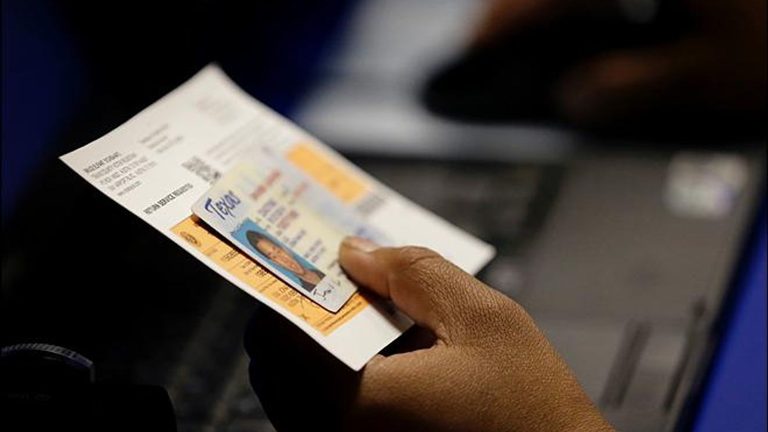
In a decisive vote on Tuesday, Nevada voters approved a constitutional amendment that will require voters to present a photo ID when casting a ballot in person or to provide personal information to verify identity on a mail ballot. The measure, known as Question 7, passed with just over 62% support and is slated to take effect before the 2028 presidential election.
What the amendment changes
The new law adds an identity‑verification step to both in‑person and absentee voting. Voters who vote at a polling place must show a government‑issued photo ID, while those who vote by mail must supply certain personal details—such as a birth certificate or Social Security number—to confirm their identity before the ballot is processed.
Supporters cite election security
Republican political strategist Tim Rosales praised the amendment as a “common‑sense” measure. “People sit there and say, ‘Well, of course. Why wouldn’t I have to present an ID to go vote,’” Rosales said. He argued that the requirement aligns Nevada with roughly 36 states that already require voter ID at the polls, and that it will help ensure that only eligible Nevadans cast ballots in the state.
Rosales also noted that identification is already required for many everyday activities, from driving to banking, and that the new rule simply extends that standard to the democratic process. “I have to present an ID to do all sorts of things that I do in my daily life that are much less important and simple than voting,” he said.
Opponents raise concerns about access and cost
Athar Haseebullah, executive director of the ACLU of Nevada, warned that voter‑ID laws have historically been used to suppress the vote. “Voter ID is a relic of Jim Crow. This is not something that has been designed to enfranchise voters,” he said, adding that the cost of a state‑issued ID—$41.50 for a driver’s license and $21.50 for a Nevada ID card—could act as a poll tax for low‑income residents.
Haseebullah also highlighted practical hurdles, such as the Nevada DMV’s lack of walk‑in appointments and the difficulty of obtaining a new ID close to an election. He questioned how poll workers will handle situations where a voter’s photo does not appear to match their ID, noting the potential for provisional ballots and administrative delays.
Financial impact and implementation questions
The amendment could impose additional costs on the state, as officials may need to subsidize IDs for those who cannot afford them. Haseebullah warned that the expense will ultimately come from taxpayers, potentially affecting other budget priorities.
State officials have not yet detailed which documents will satisfy the new requirements. While a driver’s license or state ID is clearly acceptable, it remains unclear whether secondary documents such as utility bills or pay stubs will also be permitted for mail‑ballot verification.
Legal outlook
Given the ACLU’s characterization of the measure as a poll tax, a legal challenge is likely. Haseebullah indicated that a lawsuit could be filed on constitutional grounds, while Rosales dismissed the claim as a “reach” given the prevalence of ID requirements nationwide.
Despite the debate, the passage of Question 7 signals strong support for conservative‑leaning election policies among Nevada voters, even as Republicans faced setbacks in other down‑ballot races. Rosales urged Democrats to take note, saying the result should caution them against moving too far left on election‑security issues.
What’s next
The amendment will be incorporated into the Nevada Constitution and implemented by the state’s election officials ahead of the 2028 presidential election. Voters and advocacy groups are encouraged to stay informed about ID‑obtaining resources, such as VoteRiders, HELP of Southern Nevada, and Shine A Light, which can assist residents with reduced‑fee or free IDs where eligible.
Original reporting: News 3 KSNV Las Vegas (local) — read the source article.