Veterans of the Cold War who worked in classified areas of the Nevada Test and Training Range are sounding the alarm that a bill designed to let them discuss their duty stations and receive needed medical care may not survive the current lame‑duck session of Congress.
Veterans’ concerns and personal toll
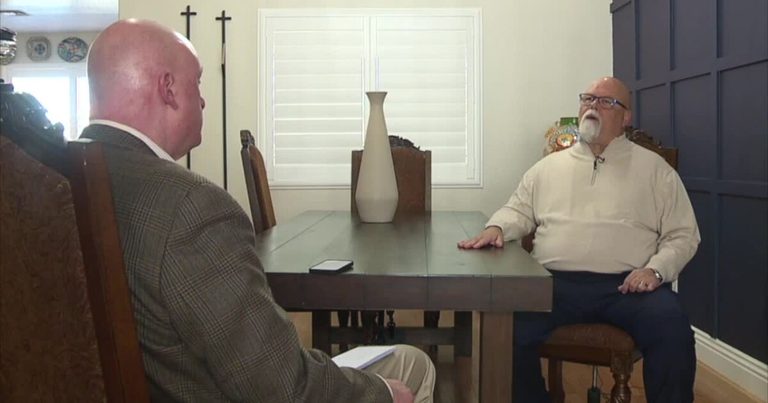
Retired Air Force sergeant Dave Crete, who helped guard the range, said his organization has recorded an increase in the number of fallen comrades, rising from 560 to 638 this year alone. “That’s a bunch of people,” Crete said. “We don’t know how everybody died, but the most common thing is cancer. And then there’s all kinds of other problems and things. Just last week we lost another one due to a brain tumor.”
Crete and his fellow service members served in locations still classified by the U.S. military, meaning they cannot obtain the records needed to prove exposure to hazardous chemicals and radiation. Without that documentation, the Department of Defense refuses to acknowledge their health claims, while civilian Department of Energy employees who worked in the same areas are already receiving care.
Legislative effort named for a veteran
Nevada Sen. Jacky Rosen (D) and Rep. Susie Lee (D) have introduced the “Dave Crete Veterans Benefits Act,” which would lift the gag order preventing veterans from disclosing their classified duty stations and the hazards they faced. Rosen emphasized the moral imperative, stating, “I can’t imagine anyone feeling that cruel that you can look at folks who are this sick or their children that are this sick and not have compassion and respect for what they sacrificed for our freedom.”
The bill previously came close to passage but was halted by House Speaker Mike Johnson over funding concerns. Rosen clarified that the cost is not the issue; the legislation simply allows veterans to access care already provided under the Promise to Address Comprehensive Toxics Act of 2022.
Political landscape and upcoming hopes
With Democrats now holding a majority in both the House (259 seats) and the Senate (56 seats), Crete expressed optimism that the bill could receive a friendlier reception when the new Congress convenes in January. He noted that Rep. Mark Takano (D‑CA) will chair the House Veterans Affairs Committee, potentially giving the measure a stronger advocate.
“I don’t think it’s going to happen this year,” Crete said about the current session. “The best result, realistically, is some noise in D.C. about our issue and educating people.” He added that the real victory would be ensuring families of fallen veterans are not left without burial benefits, pensions, or other entitlements.
Personal sacrifices underscore the call
Crete, who battles his own health issues—including lung and thyroid tumors, left‑brain atrophy, and a brain cyst—said he has no regrets about his service. “You won’t find people that wouldn’t do the job again. It was the coolest job in the world,” he said. “It was a great honor. We did amazing things. The people that work out there, what people don’t realize is those people are heroes. They do amazing things to protect this country. Take care of them.”
The veterans’ group continues to meet with Air Force officials, members of Congress, and incoming House Speaker Hakeem Jeffries to raise awareness. While the bill’s fate this year remains uncertain, the veterans remain steadfast in their belief that the nation owes them compassion and concrete action.
Original reporting: KTNV 13 Action News Las Vegas (local) — read the source article.