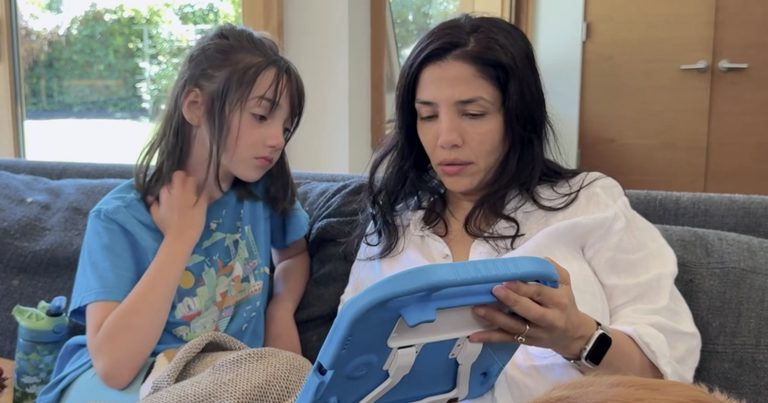
Las Vegas – Nasha Fitter, a Nevada mother whose daughter Amara was diagnosed with a severe rare disease as an infant, used the HLTH 2026 conference to unveil Ari, a free AI‑powered tool from her nonprofit Citizen Health. Ari is designed to help families dealing with rare diseases organize medical records, prepare for doctor visits and address insurance denials.
From personal tragedy to public service
Fitter’s journey began when Amara suffered up to 100 seizures a day at seven months old. By nine months, doctors told the family that Amara would likely never walk, talk or achieve independence, and that seizures would continue for life. Rather than accept a hopeless outlook, Fitter turned her experience into advocacy, helping to build a nonprofit research group that later produced a genetic therapy for Amara’s condition in under a decade.
That success inspired her to create Citizen Health, a nonprofit focused on giving rare‑disease families better tools, information and a voice.
How Ari works
Ari operates through a simple, text‑based interface. Families sign up on the Citizen Health website, enter the name of the rare disease affecting them, and the AI begins organizing their health information. The tool can compile medical records, generate appointment checklists and draft responses to insurance denials, all in conversational language that does not require technical expertise.
“If you’re a rare‑disease family in Nevada, you’re not alone,” Fitter said at the conference. “There are tools out there that can help you.”
Why the tool matters for Nevada families
Rare‑disease patients often spend years visiting specialists and accumulating complex medical data. Having that information centralized can improve communication with doctors and strengthen families’ positions when negotiating with insurers. For parents like Fitter, the technology is more than a convenience; it is a lifeline that could prevent future families from feeling isolated.
Fitter’s hope for her daughter remains simple: for Amara to be able to ask for help. “Our goal is that she can speak a few words and say ‘help,’” she explained, emphasizing the urgency of giving families the means to advocate for themselves.
HLTH 2026 and the broader conversation
HLTH 2026, expected to draw more than 12,000 attendees, provides a platform for innovators, clinicians and policymakers to discuss the future of medicine. Alongside speakers such as Dr. Oz, U.S. Sen. Mark Kelly and Olympic champion Michael Phelps, Fitter aims to ensure that rare‑disease families are represented in the dialogue on healthcare technology and policy.
By bringing Ari to the conference, she hopes to inspire other entrepreneurs and health leaders to prioritize solutions that serve the most vulnerable patients.
Looking ahead
Citizen Health plans to expand Ari’s reach beyond Nevada, offering the free service to rare‑disease families nationwide. The organization also continues to support research efforts that could lead to additional genetic therapies for conditions similar to Amara’s.
For Nevada parents navigating a rare diagnosis, the message is clear: they are not alone, and new tools are emerging to help them advocate for better care.
Original reporting: KTNV 13 Action News Las Vegas (local) — read the source article.