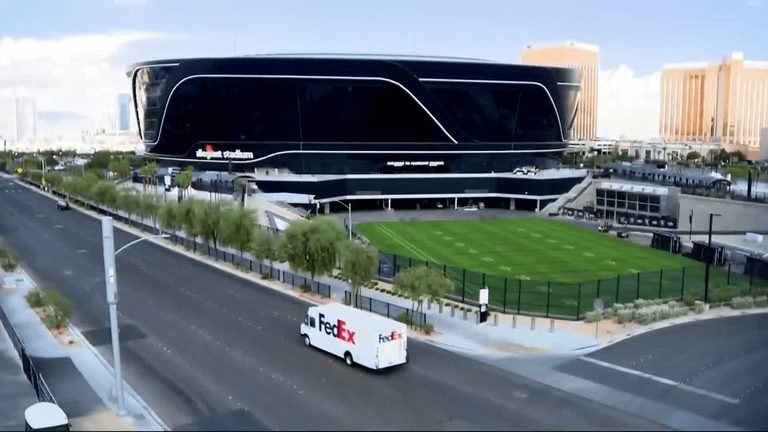
Las Vegas residents are watching a heated discussion about how much public money should flow into major sports venues. A recent News 3 investigation highlighted the $750 million public contribution that helped build Allegiant Stadium, nicknamed the “Death Star,” and examined the proposed $380 million public investment for the new A’s ballpark on the south end of the Strip.
Proponents cite tax returns and economic boost
Jeremy Aguero, a local analyst with Applied Analysis, argues that Allegiant Stadium has far exceeded expectations. He says the venue generates roughly three times the tax revenue needed to cover the bonds issued for its construction. “That money goes toward schools, police protection and infrastructure throughout our community,” Aguero explained.
According to Aguero’s firm, nine in ten visitors travel to Las Vegas specifically for events inside the dome, driving visitor spend, hotel stays and ancillary business activity. He believes the stadium’s success will pave the way for similar benefits from the upcoming A’s ballpark.
Critics warn of missed opportunities for schools and public services
Former Clark County Commissioner Chris Giunchigliani, the lone dissenting vote on the original stadium deal, argues that the public subsidies amount to a giveaway. “They gave them free property tax, so the stadium will never pay property tax. That’s how we fund our schools, our police, our fire, and so that’s another giveaway that people don’t talk about,” she said.
Alexander Marks, deputy executive director of the Nevada State Education Association, leads the Schools Over Stadiums campaign. He contends that the money could have been directed to overcrowded classrooms and other pressing educational needs. Marks also highlighted Governor Joe Lombardo’s June 2023 decision to sign the stadium bill and veto the school meals bill the next day, underscoring what he sees as misplaced priorities.
Balancing fiscal responsibility with community growth
Both sides agree that Nevada’s growth must be managed wisely. Aguero acknowledges that education and other public services can always use more funding, but he maintains that without the stadiums, Southern Nevada would be worse off economically and socially.
Giunchigliani counters that the benefits of the stadiums do not flow back to local governments for essential services. “You have to look who’s benefiting… it’s not coming back to our city councils and the county commissioner to allocate for social services,” she said.
Looking ahead
Marks asks residents to consider long‑term trust in public spending: “It’s not about sports teams or movies… it’s about do the people feel like their money is being used wisely.” He suggests that future success should be measured by community confidence, not just marquee projects.
As the A’s ballpark moves forward, the conversation about public financing will likely continue. Stakeholders on both sides urge voters and officials to weigh the economic upside against the need for robust funding of schools, public safety and other core services.
Original reporting: News 3 KSNV Las Vegas (local) — read the source article.