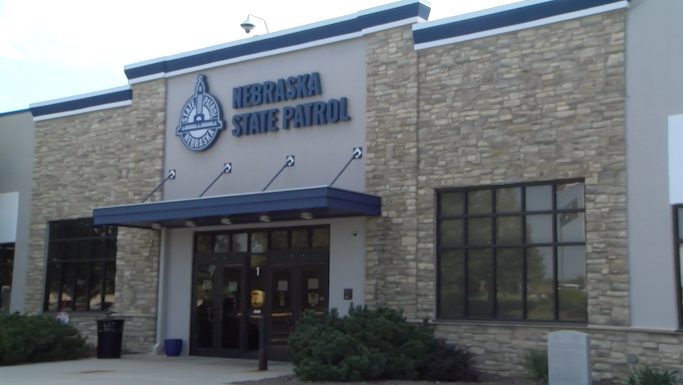
Lincoln, Neb. – The Nebraska State Patrol (NSP) is rolling out a proactive program to protect children from online exploitation. Under the plan, the agency’s Technical Crimes Unit will mail letters to parents or guardians whenever a minor is identified in a cyber‑tip report that involves sexually explicit material shared online.
Why the effort matters
State officials say the number of cyber‑tip reports involving children has risen sharply in recent years. NSP expects to receive roughly 7,000 reports in 2026, up from about 5,500 in 2024 and nearly 7,500 in 2025, according to Lieutenant Peter Rutherford, commander of the Nebraska Internet Crimes Against Children (ICAC) Task Force. About one‑tenth of those leads involve minors sharing explicit images of themselves with peers or potential predators.
“With that increase in numbers, we’ve seen a corresponding increase in leads targeting children in our communities,” Rutherford explained. The rise includes cases of sextortion, where a perpetrator threatens to expose intimate images unless the victim complies with demands.
How the notification works
When a child’s online activity triggers a qualifying cyber‑tip, the Technical Crimes Unit will send a letter that includes the account information tied to the report, a brief summary of the alleged activity, and resources for families. The correspondence also provides a direct phone number for parents to reach the unit with questions.
Rutherford stressed that the letters are not punitive. “The intent behind the letter is not to put people on notice for bad behavior,” he said. “The intent behind the letter is to engage and prevent further harm from occurring.”
Supporting families
NSP hopes the outreach will encourage parents to have open conversations with their children about safe online behavior. By identifying the root cause of a risky incident early, families can work together to reduce the likelihood of future exploitation.
“Our hope is that they’ll speak with the child, understand how this occurred, and collaborate on ways to avoid future victimization,” Rutherford added.
Broader context
Similar notification programs have been adopted by other state ICAC task forces across the country. Nebraska’s effort builds on those models, aiming to create a direct line of communication between law‑enforcement specialists and local families before more serious harm can develop.
Parents and caregivers seeking additional guidance can visit the National Center for Missing & Exploited Children’s website, which offers educational materials, hotlines, and step‑by‑step advice for protecting children in the digital age.
Original reporting: KLKN-TV – News, Weather and Sports for Lincoln, Nebraska — read the source article.