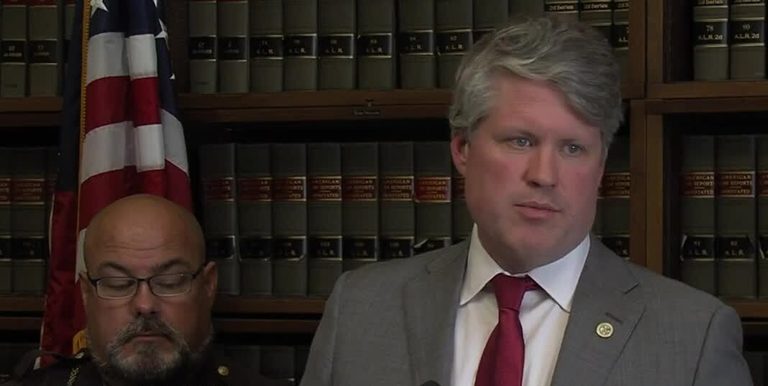
Lincoln residents received news on Nov. 20 that Nebraska Attorney General Mike Hilgers announced a settlement with agrochemical giant Monsanto to address decades‑long exposure to toxic polychlorinated biphenyls (PCBs). The agreement, valued at up to $70 million, represents a major step toward remediation of environmental harm that began nearly a century ago.
According to the Attorney General’s office, Monsanto dominated the industrial market for PCBs from 1929 until 1997, accounting for 99 % of production during that period. PCBs are recognized as hazardous chemicals that can damage fish, birds, and other aquatic wildlife, raising concerns for water quality and ecosystem health across the state.
Under the terms of the settlement, Monsanto will pay $28 million directly to Nebraska. The remaining funds, up to the $70 million ceiling, are expected to be allocated toward cleanup efforts, monitoring programs, and other measures designed to mitigate the legacy of PCB contamination. Hilgers emphasized that the settlement “demonstrates a continued commitment by this office to pursue justice for harms caused,” and expressed satisfaction that Monsanto “recognized the damage done to Nebraska and was willing to come to the table to try and rectify the impact.”
The settlement arrives after years of advocacy by environmental groups and affected communities seeking accountability for the lingering effects of PCB pollution. While the agreement does not resolve every outstanding issue, it provides a financial foundation for state agencies to pursue remediation projects and to protect public health and natural resources.
Lincoln officials indicated that the settlement will support ongoing efforts to monitor water bodies and wildlife habitats for PCB residues. Residents can expect increased transparency regarding remediation plans and potential opportunities for public input as the state implements the settlement’s provisions.
What’s next: State agencies will develop a detailed implementation plan for the settlement funds over the coming months. The Attorney General’s office will release timelines for specific cleanup projects, and public meetings are expected to be scheduled to allow community members to stay informed and provide feedback.
Sources: klkntv.com