College basketball fans across the country will see a larger March Madness field beginning in the 2027 season. The NCAA confirmed that both the men’s and women’s tournaments will grow from 68 to 76 teams, creating twelve new opening‑round games that feed into the traditional 64‑team bracket.
Why the change matters locally
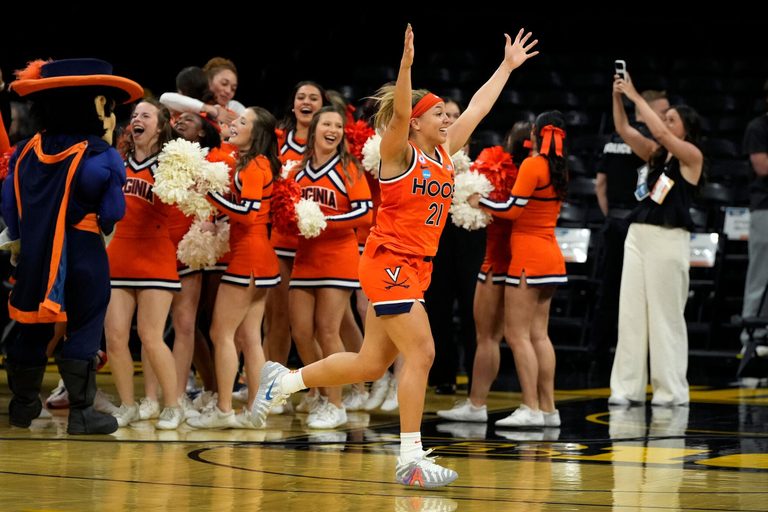
For families and communities that rally around their local college teams, the expansion promises more chances to experience the excitement of Selection Sunday and the thrill of a possible tournament run. Virginia guard Kymora Johnson recalled how her Cavaliers’ last‑minute entry into the women’s tournament turned a First Four berth into a Sweet 16 appearance, a story that resonates with parents and young athletes who dream of similar moments.
Historical growth of the tournaments
The men’s tournament began in 1939 with just eight teams and has expanded several times—16 teams in 1951, 64 teams in 1985, and 68 teams in 2011 when the First Four was introduced in Dayton, Ohio. The women’s tournament started in 1982 with 32 teams, reached 64 in 1994, and added a First Four in 2022. The upcoming jump to 76 teams mirrors a long‑standing trend of broadening participation.
Coaches weigh benefits and concerns
“I think it’s going to end up being more exciting than people realize in the next couple of years,” said Minnesota men’s coach Niko Medved, acknowledging that some fans are uneasy about expansion. Duke coach Jon Scheyer expressed openness to the 76‑team format but warned against further growth that could dilute the excitement of the traditional Thursday first‑round games.
On the women’s side, Ohio State coach Kevin McGuff noted the sport’s rising popularity but cautioned against expanding beyond the current plan, saying, “I’m not so sure we should go much further beyond where we are right now.” UCLA coach Cori Close emphasized the need for intentional marketing and strong corporate sponsorship to fill the new early‑round seats.
Power conferences versus mid‑majors
The expansion raises a key question: will the additional bids primarily benefit power‑conference schools that already dominate the field, or will mid‑major programs finally see a boost? Recent realignment has given the ACC, Big Ten, Big 12 and SEC deeper footprints, and those leagues secured 33 men’s bids in 2025 and 35 last year. The women’s side saw a rise from 28 bids in 2023 to 39 last season.
Big Ten commissioner Tony Petitti expects his league to benefit, pointing to depth and travel demands as reasons to award more spots. In contrast, Hall of Fame women’s coach Geno Auriemma criticized the move as a “money grab for the Power Four conferences,” suggesting the expansion could simply increase the number of teams from a handful of elite leagues.
What the expansion means for fans
For the roughly 90 student‑athletes who will experience the tournament each year, the added games could translate into more exposure, potential revenue from NCAA “units,” and lasting memories of hearing their school’s name called on national television. Wake Forest men’s coach Steve Forbes highlighted the lifelong impact of that moment, describing it as an “unbelievable experience” for players and their families.
As the NCAA finalizes details, officials stress the importance of a comprehensive strategy to market the early games, ensure strong attendance, and maintain the parity that has made recent tournaments compelling. The balance between expanding opportunity and preserving the integrity of March Madness will likely shape the conversation among coaches, commissioners, and fans throughout the coming months.
Original reporting: 2news.com — read the source article.