There is a moment, about twenty steps inside the Natural History Museum of Utah, when you round a corner and come face to face with a nearly complete Allosaurus skeleton — jaws open, ribs arching overhead, the whole creature suspended in mid-lunge as if it just decided you look like lunch. Your stomach drops a little. You smile. And you think, I am going to be here for a while.
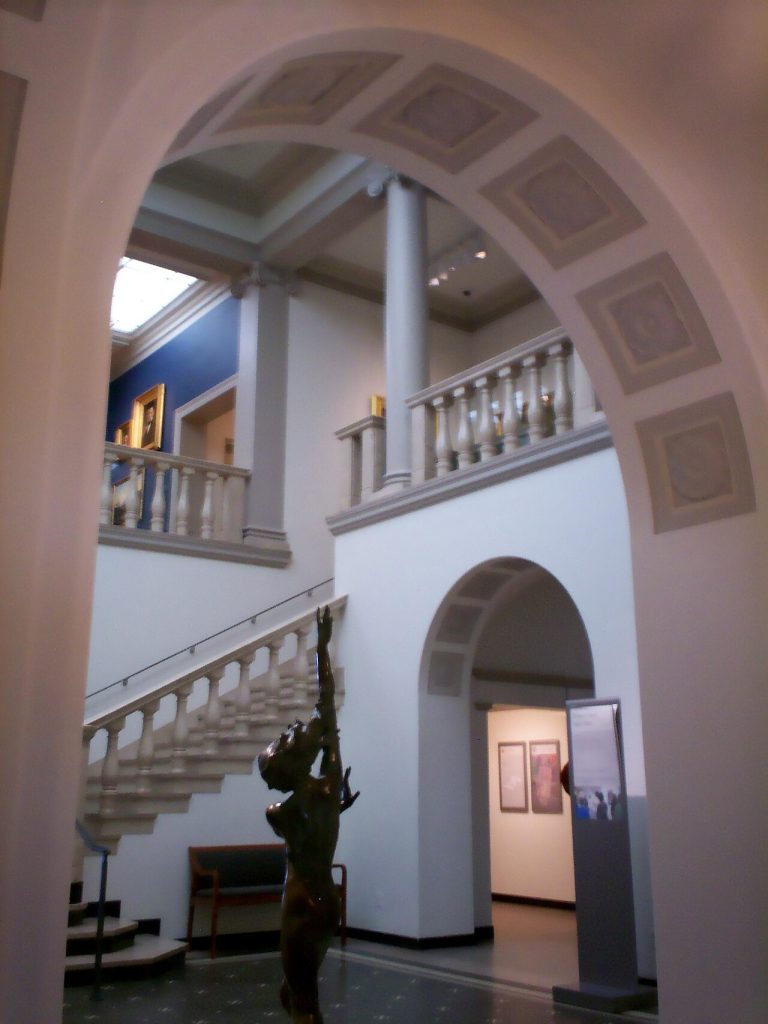
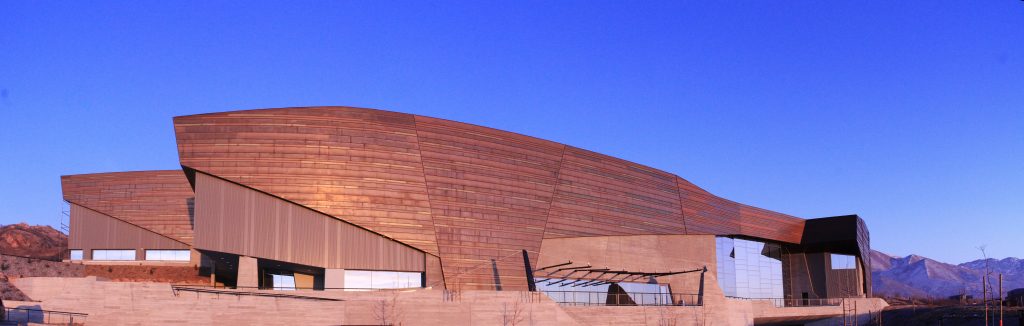
Perched on the foothills of the Wasatch Range at the edge of the University of Utah campus, the NHMU is one of those places that quietly exceeds every expectation. The building itself is worth the trip — designed by GSBS Architects to echo the layered red rock of the Colorado Plateau, it rises out of the hillside like a geological formation that grew there naturally. Floor-to-ceiling windows in the upper galleries frame panoramic views of the Salt Lake Valley, which means you get world-class science and one of the best vantage points in the city, often at the same time.
Inside, the museum unfolds across six major permanent galleries, and every one of them earns its square footage. The Past Worlds gallery is the one everyone talks about, and for good reason — it houses one of the finest dinosaur collections in the American West, anchored by specimens pulled directly from Utah soil. The state is a paleontological goldmine, and the NHMU makes sure you feel the weight of that. These are not casts. Many of these are actual fossils, and the scientists who found them work just down the hall.
But don’t rush past the other galleries. Native Voices is one of the more thoughtful permanent exhibits I have encountered anywhere in the country, presenting the living cultures of Utah’s Indigenous peoples with nuance and dignity rather than the dusty diorama treatment you might expect from an older institution. The Life gallery traces Utah’s ecosystems from the Great Salt Lake shoreline up through alpine tundra, making it genuinely useful for anyone planning to get outdoors during their visit. And the Gems and Minerals hall has a way of stopping adults dead in their tracks the same way the dinosaurs stop the kids.
Plan to arrive when the doors open at ten o’clock, especially on weekends. The museum draws a devoted local crowd, and the parking structure off Wakara Way fills up. Tickets are reasonably priced — around eighteen dollars for adults — and the on-site Rio Tinto Center Café serves surprisingly good food if you need to refuel mid-expedition. Check the calendar before you go, because the NHMU runs excellent rotating special exhibitions and occasional evening events that feel more like a sophisticated night out than a school field trip.
What sets this museum apart from similar institutions is the sense that discovery is still actively happening here. The staff genuinely love this material. The exhibits are refreshed regularly. And the building’s relationship with the landscape — the views, the geology baked into the architecture, the location at the foot of mountains that themselves tell a billion-year story — gives the whole experience a coherence that is hard to manufacture and impossible to fake.
Salt Lake City sits at the crossroads of some of the most dramatic natural history on the continent. The NHMU is the best single place in the city to understand why that matters — and to walk away wanting to see more of it for yourself.