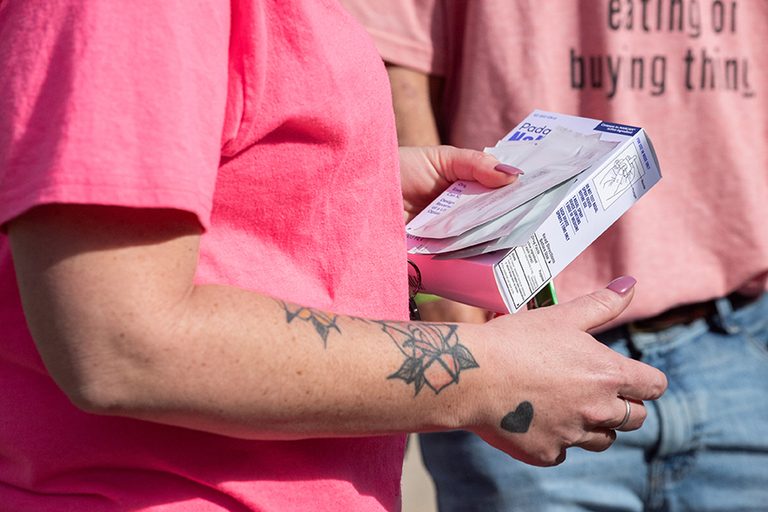
Metro Nashville Police Department Lt. Mike Hotz has installed more than 400 ONEbox overdose‑reversal kits throughout the city’s bars, restaurants, schools and public venues. Each kit contains two doses of naloxone, the opioid‑overdose antidote, and simple video instructions for use.
“Our latest number is 428 kits,” Hotz said, noting that the program has already confirmed 19 lives saved. “Those are 19 people who get to go home to their families.” The ONEbox effort is a partnership among the Mayor’s Office of Nightlife, the Nashville City Council and the UT SMART Policy Network.
History of Naloxone
The medication’s roots stretch back more than a century. German pharmacologist Julius Pohl first identified a compound that could block morphine in 1915, but early candidates caused dangerous side effects. A breakthrough came in the early 1960s when researchers created a “pure” opioid antagonist, leading the FDA to approve naloxone for hospital use in 1971.
In 2015 the FDA cleared a user‑friendly nasal‑spray version marketed as Narcan, making it possible for people with minimal training to administer the drug. The spray became available over the counter in 2023, allowing anyone to purchase it at pharmacies, convenience stores and online.
Impact on Overdose Deaths
Officials credit broader public access to naloxone for a steady decline in overdose fatalities. Provisional CDC data show 69,973 overdose deaths in 2025, a drop of nearly 14 % from 2024 and part of a three‑year downward trend.
In Nashville alone, Hotz’s unit distributed roughly 12,000 kits in 2025—24,000 individual doses—coinciding with a 31.5 % reduction in the city’s overdose death rate, according to his calculations.
Collaboration Between Public Health and Safety
The CDC Foundation’s Overdose Response Strategy (ORS) pairs public‑health analysts with drug‑intelligence officers in 61 teams covering all 50 states, Puerto Rico and the U.S. Virgin Islands. In Tennessee, public‑health analyst Kathleen Collins works alongside a DIO counterpart, linking local agencies to naloxone supplies, training and funding.
“Naloxone is keeping people alive until they’re ready to receive help,” Collins said, noting a cultural shift among law‑enforcement officers who have lost friends or family to overdose.
Local Voices
Hotz, a former Army infantryman who saw the drug trade in Afghanistan, calls naloxone “a Band‑Aid—it doesn’t cure addiction, but it stops the bleeding.” He rejects the myth that the medication encourages drug use, stating he has never encountered anyone who began using opioids because Narcan was available.
The ONEbox program, once met with hesitation from venue owners, has expanded to Memphis, Chattanooga, Idaho Falls, Idaho and Buffalo, New York, with Hotz advising other departments on building similar units.
This story is sponsored content.
Original reporting: SaportaReport — read the source article.