When the pumpkins are empty and the candles are out, many Nashville families wonder what to do with the leftover gourds. The answer is simple: compost them. Nashville’s curbside compost service, Compost Nashville, collects food scraps—including pumpkin flesh and skins—and transforms them into nutrient‑rich compost that supports Tennessee farms and community gardens.
How to prepare your pumpkin for compost
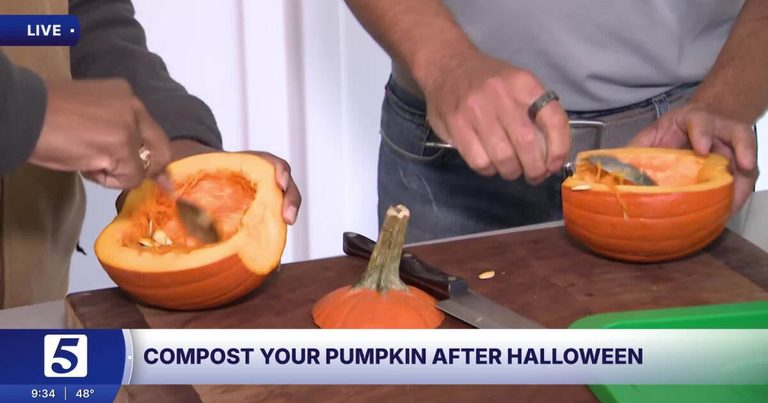
Before placing a pumpkin in the green bin, remove any non‑organic decorations such as wax, glitter, tape, or plastic inserts. These items do not break down and can contaminate the compost stream. Next, scoop out the seeds and pulp. While pumpkin seeds are edible, leaving them in the compost can lead to unwanted pumpkin seedlings sprouting in the pile.
Why composting matters
Compost Nashville emphasizes that food waste belongs in the compost system, not a landfill. When organic material ends up in a landfill, it decomposes anaerobically and releases methane, a potent greenhouse gas. By diverting pumpkins and other kitchen scraps to compost, residents help reduce methane emissions and create a valuable soil amendment that improves soil structure, water retention, and plant health.
The composting process
Collected pumpkins travel to a local composting facility where they are shredded, mixed with other food scraps, and allowed to decompose under controlled aerobic conditions. Over several weeks, microbes break down the material into a dark, crumbly product that is then screened and distributed to farms and community gardens across the state. The resulting compost reduces the need for synthetic fertilizers, supporting more sustainable agriculture.
Getting started
Residents can simply place prepared pumpkin pieces in their regular curbside compost bin. If you are unsure whether an item is compostable, Compost Nashville provides a handy guide on its website and a short instructional video that walks viewers through the do‑and‑don’t list for pumpkin composting. For additional questions or tips, you can contact the service at [email protected] or call their hotline.
Community impact
By participating in the program, Nashville families join a growing movement toward responsible waste management. The compost produced from seasonal pumpkins and other food scraps helps feed the soil that grows the very produce we enjoy, creating a virtuous cycle of reuse that aligns with the city’s sustainability goals.
So this Halloween, after the carving is done, consider giving your pumpkin a second life as part of Nashville’s thriving compost system – a small step that makes a big difference for the environment and local agriculture.
Original reporting: NewsChannel 5 WTVF (Scripps) – local — read the source article.