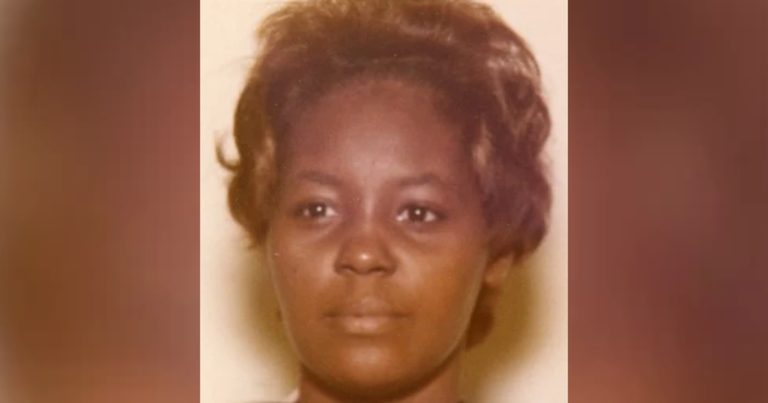
Metro Nashville police announced Monday that the remains discovered in the dirt‑floor basement of a Charlotte Avenue home in 1987 have been identified as Toni L. Gordon, a 31‑year‑old Nashville resident who was killed in 1985. The breakthrough came after investigators employed forensic genetic genealogy, a technique that matches DNA from unidentified remains with public genealogy databases to build family trees and pinpoint identities.
Cold case solved after nearly four decades
Gordon was one of two women whose bodies were found buried in shallow graves in the basement of the rental property. The other victim, 23‑year‑old Sheila Cummings, was identified last year, marking the second success in a long‑running effort to bring closure to the families of the victims.
Police say James Shaffer, who rented the home at the time, confessed to both murders after the bodies were discovered. Shaffer referred to Gordon as “Lil’ Bit.” He received two life sentences for the killings and died in prison in 2004.
Family finally learns the truth
Gordon’s relatives had long believed she had moved out of state and lost contact with them. The DNA identification has now confirmed her fate, and family members have been notified of the result. The revelation provides a measure of peace after years of uncertainty and speculation.
“We are grateful for the dedication of the detectives and the scientists who made this possible,” said a family spokesperson. “Knowing what happened to Toni allows us to begin the healing process.”
Forensic genealogy’s growing role in Nashville investigations
The use of forensic genetic genealogy has become an increasingly valuable tool for law‑enforcement agencies across the country, and Nashville is no exception. By leveraging DNA evidence that was collected at the time of the crime, investigators can now connect cold‑case victims to living relatives, even when traditional investigative leads have long run dry.
Detective Laura Mitchell, who led the case, noted that the technology “has transformed how we approach unsolved homicides.” She added that the department will continue to apply the method to other unresolved cases, hoping to bring more answers to families who have waited decades for closure.
Community response
Local residents expressed relief that a tragic chapter of Nashville’s history is finally being closed. Community leaders praised the police department’s persistence and the collaboration with genetic experts, emphasizing the importance of bringing justice, even many years after a crime.
The identification of both victims underscores the commitment of Nashville’s law‑enforcement agencies to serve the community, uphold the rule of law, and honor the memory of those lost to violent crime.
Original reporting: NewsChannel 5 WTVF (Scripps) – local — read the source article.