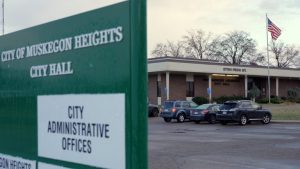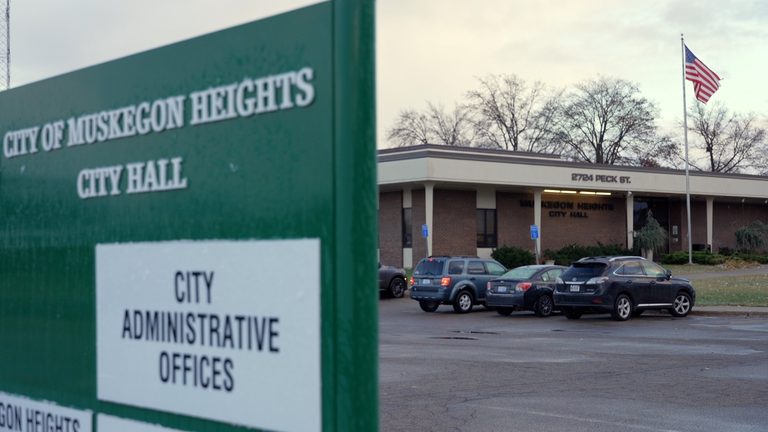
On Monday night, the Muskegon Heights City Council was unable to complete two critical agenda items after Councilman William Kitchen left the chamber, eliminating the quorum required to conduct business. Mayor Pro Tem Kellie Kitchen announced that without a quorum, the council could not vote on the 2026 operating‑budget amendments nor discuss the city’s deficit‑elimination plan, both of which are essential to meeting the Dec. 1 statutory deadline.
Deficit figures and pending actions
The city’s finance department reported a current deficit of $1,747,167.56 for the 2026 fiscal year, noting that a few journal entries still need to be recorded. Council members raised questions about potential expense reductions, focusing on contracts and vendors that draw from the general fund. While the council did not reach a decision, the discussion underscored the urgency of trimming spending and identifying revenue sources to close the shortfall.
Public‑safety funding debate
Much of the meeting centered on a public hearing regarding additional revenue for police and fire services under Michigan’s Public Act 33 of 1951. City officials explained that public‑safety accounts represent roughly 65 % of the general fund, and that new funding could relieve pressure on the overall budget. Two millage options were presented: a 5‑mill increase for each department, projected to generate about $1.3 million combined, or a 7.5‑mill increase, projected to bring in just over $2 million.
Public‑safety leaders warned that without supplemental revenue, staffing levels could be reduced, potentially affecting response times. Residents voiced concerns about higher taxes, with several calling for greater transparency on how the proposed funds would be allocated. Councilperson Lashae Simmons made clear she would not support any tax increase without direct input from constituents, stating, “I am not going to support an increase on the citizens’ taxes at all, unless you all vote for it, and that is it.”
Leadership and interim management
The council also addressed ongoing leadership matters at City Hall. A search for an interim city manager continues, and two candidates will be invited to appear before the council at the Dec. 14 meeting, with a virtual option available if needed. The council revisited the vacant mayor’s seat, debating whether former Mayor Bonnie McGlothin should receive a hearing regarding the forfeiture of her office. A motion to elevate the mayor‑pro‑tem to the mayor’s position failed for lack of support. Councilman William Kitchen argued that the city charter gives the council a role in determining the forfeiture, while the city attorney maintained the dispute should ultimately be resolved in the courts.
Future agenda and next steps
Because the quorum was lost, the council could not address the operating‑budget amendments or the deficit‑elimination plan. Those items will be placed back on a future agenda, giving council members more time to consider responsible spending cuts and potential revenue measures. The council also began discussing a request for $38,620 in senior‑millage funding from the Muskegon County Board of Commissioners for fiscal year 2027, with Councilperson Simmons indicating she plans to abstain from that vote.
A second public hearing on the Public Act 33 proposal is scheduled for Tuesday, Nov. 24, giving residents another opportunity to weigh in on the tax options and the impact on public‑safety services. As the Dec. 1 deadline approaches, Muskegon Heights officials remain focused on balancing fiscal responsibility with the essential services that keep the community safe.
Original reporting: FOX 17 WXMI Grand Rapids (local) — read the source article.