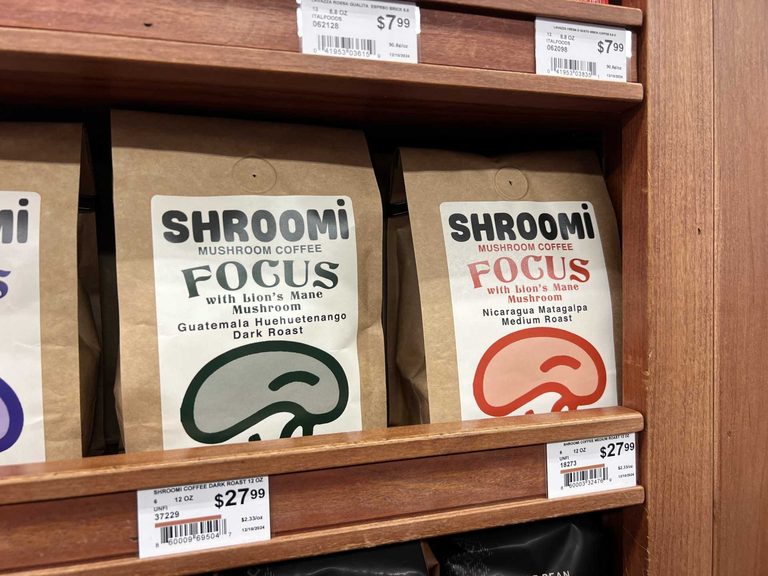
Recent social‑media promotion of mushroom coffee has sparked curiosity among coffee drinkers seeking added health benefits. Influencers claim the blend supports gut health, immunity, focus, and reduces the typical afternoon caffeine crash. To separate marketing hype from science, we looked at the research cited by health experts.
What is mushroom coffee?
Mushroom coffee can be a mixture of instant coffee with powdered mushroom extracts or a product that contains only mushroom powder and other ingredients, without any coffee at all. Prices typically range from $15 to $35 for a 7‑ or 8‑ounce container, compared with under $10 for standard instant coffee.
Scientific evidence
Most studies on medicinal mushrooms have been conducted in laboratories or on animals. Nicholas Money, a biology professor at Miami University who studies fungi, says he knows of no clinical trials that evaluate mushroom coffee’s health effects on humans. “I don’t think it’s worth your time or money,” he told PolitiFact.
Registered dietitian Toby Amidor notes that while there are no documented drawbacks to drinking mushroom coffee in moderation, the product falls under the loosely regulated category of dietary supplements. This means the exact amount of mushroom extract on the label may not be guaranteed.
Common selling points
- Caffeine crash prevention: Some mushroom coffee blends contain less caffeine than regular coffee, which may lessen caffeine‑related headaches or irritability for sensitive individuals. However, there is no clear evidence that the mushroom component itself prevents crashes.
- Gut health: Research shows whole mushroom powders can influence the gut microbiome, potentially increasing beneficial bacteria. The studies did not examine mushroom coffee specifically, so any benefit from the beverage remains unproven.
- Immune support: Certain mushroom extracts can modulate immune responses, but the effect of consuming mushroom coffee on overall immunity has not been demonstrated.
- Brain function and focus: Some animal and observational studies link mushroom consumption with modest cognitive benefits. Money explains that lion’s mane mushrooms contain compounds that promote nerve‑cell growth in petri‑dish experiments, yet human trials on mushroom coffee show no measurable impact on focus or mental performance.
- Safety: In typical serving sizes, mushroom coffee appears safe for most people. High doses of some medicinal mushrooms may increase bleeding risk or interact with medications, and certain mushrooms are high in oxalates, which can affect individuals with kidney issues.
Bottom line
While mushroom coffee is unlikely to be harmful when consumed responsibly, the current body of scientific evidence does not substantiate the health claims promoted by influencers. Consumers who enjoy the taste and are willing to pay the premium may find a modest placebo benefit, but they should not expect proven improvements in gut health, immunity, or cognition.
For those seeking proven health enhancements, focusing on a balanced diet, regular exercise, and adequate sleep remains the most reliable approach.
Original reporting: WLWT Cincinnati — read the source article.