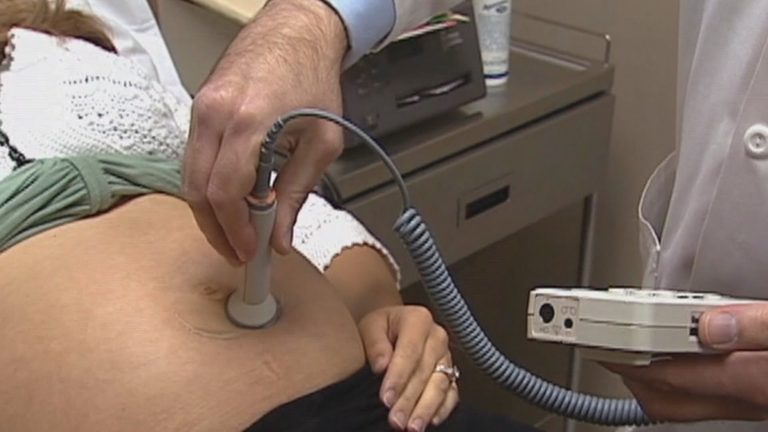
Springfield, MO – A recent report from the March of Dimes labels 52% of Missouri a “maternity‑care desert,” meaning that more than half of the state’s residents lack reasonable access to obstetric services. The shortage is especially acute in rural areas, where expectant mothers often travel two hours or more to reach the nearest clinic.
Travel time creates real health risks
Dr. Elizabeth Harper Juanillo, an obstetrician‑gynecologist at Jordan Valley Clinic, warned that delayed or missed prenatal visits can lead to serious complications. “When women don’t get care, when women aren’t seen, then we see issues with missed blood pressures, missed opportunities, missed times when we can intervene early and keep a kid out of the NICU because we’re doing the interventions we know help keep moms and babies safe,” she said.
Beyond the medical concerns, Dr. Harper Juanillo highlighted the logistical challenges families face. A two‑hour round‑trip means two hours of work missed, two hours of childcare lost, and additional fuel costs. “To come to the office, they have to think about school pickups, drop‑offs, and when you make a two‑hour round trip, adding into that, then that’s two hours of work, that’s two hours of childcare, and that’s two hours of gas,” she explained.
Community‑based solutions are needed
While there is no single fix for the maternity‑care desert, Dr. Harper Juanillo believes that establishing programs and health‑care organizations within rural communities is a critical first step. “We are trying to get out there. We’re trying to get into your community. We’re trying to make it as easy as we can for you. Don’t give up on us and allow us to help you as much as we can,” she urged.
She added that her career has been dedicated to ensuring mothers and babies receive the care they need, and she encourages local leaders, churches, and families to support efforts that bring obstetric services closer to home.
What families can do now
For pregnant women living in underserved areas, Dr. Harper Juanillo recommends staying in close contact with their primary care provider, using telehealth options when available, and planning prenatal visits well in advance to minimize travel disruptions. She also suggests that community groups explore partnerships with existing clinics to host periodic prenatal clinics or mobile health units.
State health officials have not yet released a comprehensive plan to address the maternity‑care gap, but the March of Dimes data underscores the urgency of the issue. As more families voice their concerns, there is growing pressure on policymakers to allocate resources for rural health infrastructure, including incentives for obstetricians to practice in underserved regions.
Looking ahead
Missouri’s rural families deserve the same level of maternal health support as those in urban centers. By bringing obstetric services closer to home and reducing travel burdens, the state can improve outcomes for mothers and newborns alike. Dr. Harper Juanillo remains optimistic that with community collaboration and targeted investment, the maternity‑care desert can be transformed into a network of accessible, high‑quality care.
Original reporting: KY3 Springfield (local) — read the source article.