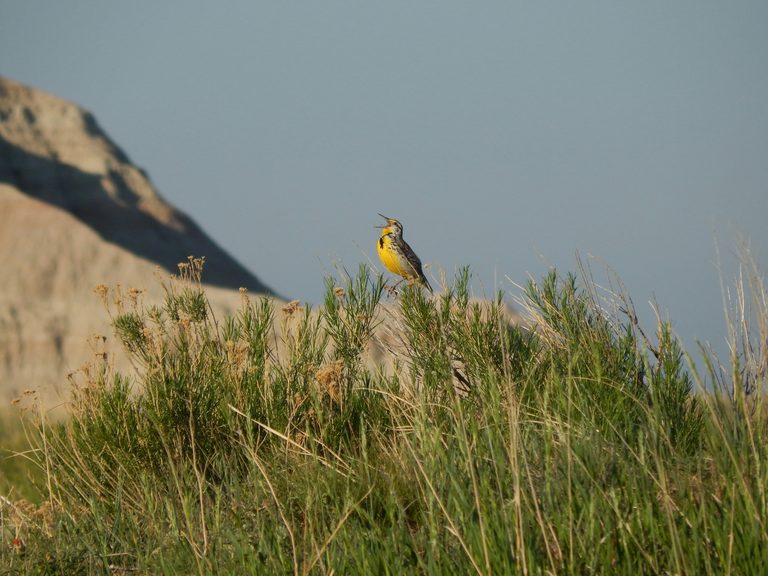
Montana’s iconic Western Meadowlark earned its place as the state bird thanks to a grassroots vote by schoolchildren nearly a century ago. In 1930, the state asked its youngest citizens to pick a bird that best represented Montana’s wide‑open skies and rolling prairies. The children’s overwhelming preference for the Western Meadowlark was carried to the legislature, which officially adopted the bird on March 14, 1931. The designation is now codified in Montana Code Annotated 1‑1‑504, preserving the exact language the students chose: the bird “preferred by a referendum vote of Montana school children.”
Why the Meadowlark Resonated with Kids
The Western Meadowlark’s clear, bubbling whistle is a sound that Montana families hear on daily walks to school and across farm fields. Its bright yellow breast and bold black “V” make it easy to identify, while its habit of nesting on the ground in open prairie means the birds are often just a few feet away from passing motorists. For generations of Montanans, that song has been a familiar backdrop to childhood, reinforcing a sense of place and community.
Historical Roots Stretch Back to the Lewis Expedition
Even before the 1930 vote, the meadowlark was part of Montana’s story. Meriwether Lewis recorded the bird in his journal on June 22, 1805, describing a lark with a yellow breast and a black spot on the throat, noting its song was richer than the eastern lark he already knew. That early observation highlights how the species has long been intertwined with the region’s natural history.
Beyond Montana: A Shared Symbol Across the Plains
Montana is not alone in celebrating the Western Meadowlark. Kansas, Nebraska, North Dakota, Oregon, and Wyoming also claim the bird as a state symbol. Rather than diminishing Montana’s claim, this shared designation underscores the meadowlark’s broad appeal across the prairie West and its role as a unifying emblem of the region’s agricultural heritage.
Myths About Crop Damage Debunked
Early 20th‑century farmers feared the meadowlark might eat grain, but a 1914 study proved the opposite. The bird actually helps farmers by consuming grasshoppers and other crop pests, turning a perceived threat into a natural form of pest control. This fact reinforces the meadowlark’s status as a beneficial partner to Montana’s farming communities.
Today, anyone driving through eastern Montana can hear the meadowlark’s song before spotting the bird itself. Once you learn the tune, it becomes a cherished part of the landscape, reminding residents of the state’s enduring connection to its natural environment and the voices of the children who first chose it.
Original reporting: NewsTalk KGVO 1290 (Townsquare) — read the source article.