The Montana Public Service Commission voted Tuesday to approve the $15.4 billion all‑stock merger of Northwestern Energy and Black Hills Corporation. The deal will combine the two utilities under the new parent name Bright Horizon Energy Corporation, trading as “HZN.”
Local control remains a priority
Commission Vice‑Chair Jennifer Fielder stressed that Northwestern will “still be a Montana company” after the merger. She pointed to the “ring‑fencing” conditions in the agreement, which are designed to protect priority access for local power customers and preserve Montana‑based operations.
Fielder admitted she initially opposed the merger, but said the commission’s analysis showed the combined entity can deliver better service “at least cost” and that the deal is “good for the people of Montana.”
Rate concerns voiced by commissioners
Commissioner Randy Pinocci remained skeptical, noting that Northwestern has already expanded capacity by acquiring Puget Sound Energy’s 370‑megawatt share of the Colstrip plant in 2024. Pinocci argued that the merger should enable lower power rates now, but he has not seen evidence of such reductions. He suggested additional conditions could have been added to ensure rate relief.
Merger details
The transaction values the combined utility’s equity at roughly $7.8 billion. Northwestern shareholders will receive 0.98 Black Hills shares for each Northwestern share, representing an equity purchase consideration near $4 billion. The total enterprise value of the deal is $15.4 billion.
What happens next
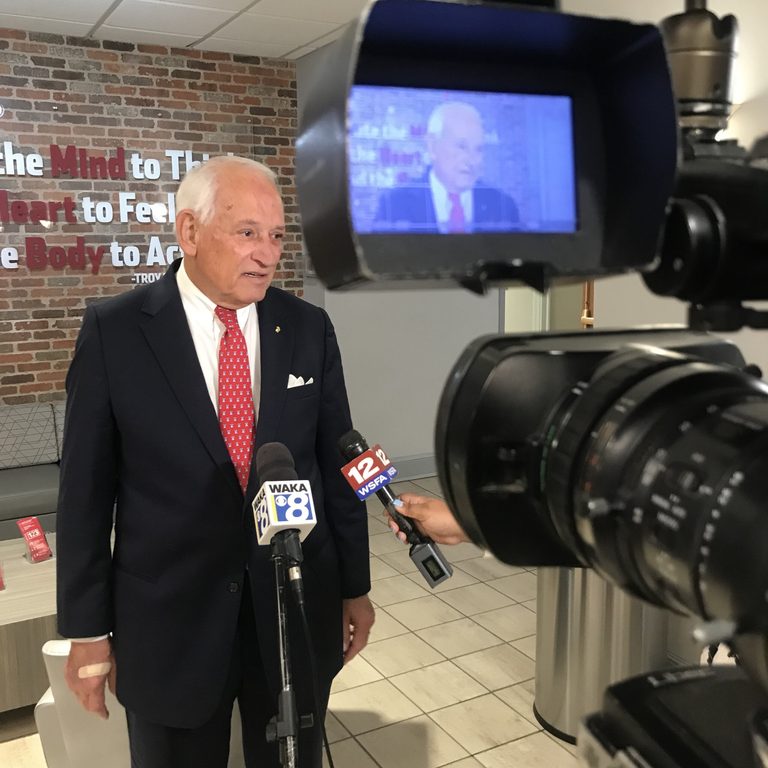
Montana is the last state to approve the merger. Under the agreement, Northwestern’s Brian Bird will lead Bright Horizon Energy. Local utility subsidiaries, customer billing, and daily operations will remain unchanged during the initial integration phase.
The commission noted that while data‑center siting is outside its jurisdiction, the broader discussion about future energy needs and rate impacts will continue to be monitored by state regulators.
Original reporting: NewsTalk KGVO 1290 (Townsquare) — read the source article.