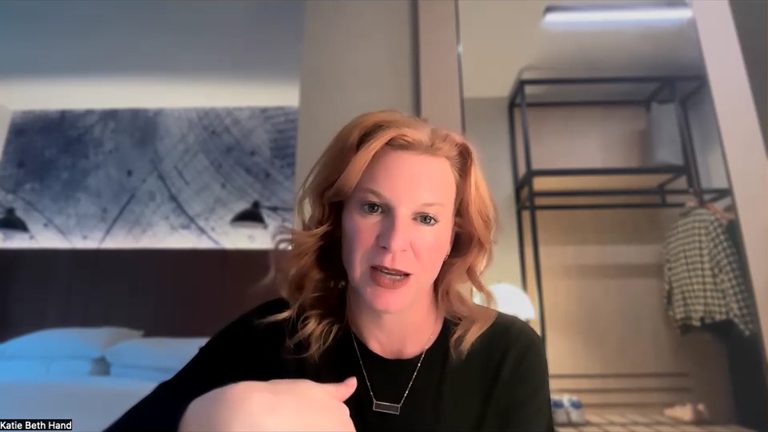
Montana residents are watching a national medical breakthrough with optimism. Katie Beth Hand, a 13‑year Type 1 diabetes survivor from the state, recently celebrated her 256th day without insulin after receiving an islet cell transplant as part of the Eledon trial at the University of Chicago.
Trial details and new medication
The trial replaces the insulin‑producing cells destroyed by the immune system with donor islet cells. Researchers also administer a novel immune‑modulating drug called tegoprubart, which protects the transplanted cells without the harsh side effects of many traditional immunosuppressants.
“For the first time we can use a drug that tells the immune system to stop attacking those insulin‑producing cells,” explained Joshua Vieth, senior director of research at Breakthrough T1D, the organization leading the study.
Results so far
All twelve participants in the study have reported becoming insulin‑independent, a remarkable outcome for a disease that has affected roughly two million Americans and nine million people worldwide. While researchers caution that this is not yet a cure, the results represent a significant stride toward one.
“I was told to learn to live with this forever,” Hand recalled. “I certainly didn’t think it would actually happen to me.” Her experience underscores the potential impact of the trial on families across Montana and the nation.
Local response
Montana’s diabetes community is rallying around the news. Tonya Fuhrmann, founder of the Montana Youth Diabetes Alliance, said, “We’re this close to maybe having a cure for Type 1 diabetes, and the progress of the past 25 years has brought us nearer each time.” The Alliance provides camps, financial assistance, and events for families dealing with the disease.
Hand’s story offers hope to the nearly nine million people living with Type 1 diabetes worldwide. “The two million people in the United States and the nine million people around the globe see this as a huge stepping stone toward a cure,” she said.
Next steps
Further trials are planned before the treatment can receive FDA approval and become widely available. Researchers will continue to monitor participants like Hand to assess long‑term safety and effectiveness.
For Montana families, the trial’s progress reinforces the importance of supporting medical research and staying informed about emerging therapies. As the state’s diabetes advocates watch the trial’s evolution, they remain hopeful that one day insulin‑free living will be the norm rather than the exception.
Original reporting: KTVQ Q2 Billings (local) — read the source article.