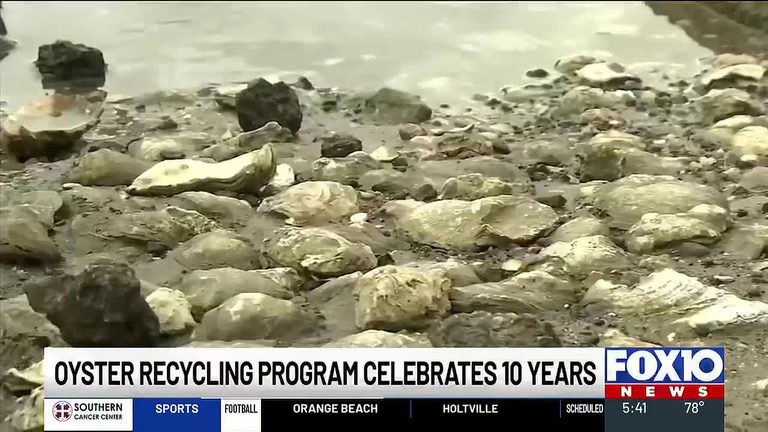
Mobile County, Ala. – A decade of community effort is bearing fruit for the Gulf Coast. Restaurants across the county have been gathering oyster shells, allowing them to season, and returning them to the water where they become the foundation for new oyster reefs.
From landfill to lifeline
Ten years ago, most oyster shells from Alabama eateries ended up in landfills, contributing to waste and missing an opportunity to help the environment. Today, more than 30 coastal restaurants participate in a recycling program that transforms those shells into vital habitat for marine life.
“The great news is that we have about 120 acres worth of oyster reefs that we’ve helped to restore,” said Mark Berte, executive director of the Alabama Coastal Foundation. “And we hope to continue to do that every single time. Every shell counts.”
Why oyster reefs matter
Oysters are a keystone species. Their reefs filter water, improve clarity, and provide shelter for fish, crabs and other marine organisms. Healthy reefs also support the coastal fishing industry and attract tourists who enjoy the Gulf’s natural beauty.
By recycling shells, local businesses are directly contributing to these ecological benefits. The process is simple: shells are collected after meals, cleaned, and left to season for several months. Once ready, they are placed in designated reef sites where baby oysters can attach and grow.
Community partnership
The program is a partnership between the Alabama Coastal Foundation, local seafood distributors, and participating restaurants. It relies on volunteers to transport shells to staging areas and on state agencies that oversee reef placement.
Restaurant owners report that the initiative has become a point of pride for their establishments. “Customers love knowing their dinner is helping the environment,” said a manager at a Mobile downtown eatery. “It’s a win‑win for business and the Gulf.”
Looking ahead
With 120 acres of restored reef already in place, the foundation aims to expand the program to additional counties along the Alabama coast. Future goals include increasing the number of participating restaurants, enhancing public awareness through school outreach, and monitoring reef health with scientific partners.
Continued community involvement will be essential to sustain and grow the reefs, ensuring that Alabama’s coastal ecosystems remain vibrant for generations to come.
Original reporting: FOX10 WALA Mobile (news) — read the source article.