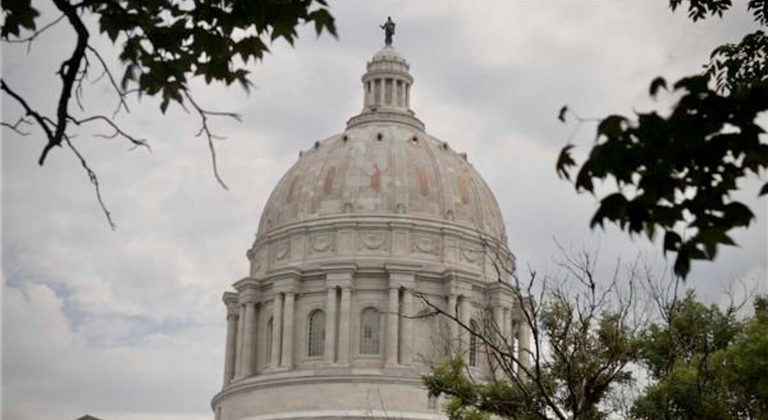
Jefferson City – Governor Mike Kehoe’s school‑funding modernization task force announced Monday that the release of its new public‑school funding formula will be delayed from Dec. 1, 2026 to July 2027. The seven‑month postponement is intended to give the group more time to craft a formula that reflects the needs of today’s students, families and educators rather than a model that is more than 20 years old.
Why the delay matters for Missouri families
The current funding formula, in place for over two decades, leaves many districts scrambling to meet state mandates without adequate resources. The Department of Elementary and Secondary Education has asked for $190.6 million more than it received for fiscal year 2027 to fully fund the foundation formula.
In a statement, the governor’s office praised the decision, saying, “Governor Kehoe remains committed to developing a school funding foundation formula that reflects the needs of today’s students, families, and educators, ensuring Missouri’s public education system is positioned for long-term success.”
Legislative timing and potential impact
Lawmakers must finish the next state budget by mid‑May, two months before the task force expects its report. Without the new formula, legislators will have to craft the budget and determine school funding using the outdated model.
Melissa Randol, executive director of the Missouri School Board Association, warned that the timing could create uncertainty for students and parents. “The state’s priorities become clear when it decides what can wait,” she said. “We don’t have a choice when there are obligations to meet the things the state tells us we have to meet. So there could be popular programs that have to be on the chopping block if the state continues to underfund education.”
Political reactions
Missouri House Minority Leader Ashley Aune criticized the postponement, stating, “We can’t keep kicking the can down the road and making it someone else’s problem. Families everywhere will feel this in their own schools, whether it’s larger class sizes, fewer teachers or reduced resources.” Aune’s comments reflect concerns from the Democratic caucus that the delay may hurt vulnerable students.
The Missouri School Board Association estimates the state needs an additional $500 million to $600 million annually to meet the requirements placed on schools since the current formula was created. “Our current formula does not fund the mandates we place on our schools,” Randol added. “Those mandates do not go away; schools have to find another way to fund them, and usually that means property taxes.”
Looking ahead
While the delay has drawn criticism, supporters argue that rushing a formula could produce a flawed system that fails to address modern educational demands, such as technology integration, special‑education services and teacher recruitment. Governor Kehoe’s administration maintains that a well‑designed, forward‑looking formula will ultimately benefit Missouri’s children and preserve the fiscal health of local districts.
Stakeholders will be watching the task force’s progress over the summer, and the upcoming legislative session will likely feature intense debate over how to fund schools in the interim.
Original reporting: KY3 Springfield (local) — read the source article.