The Missouri Department of Natural Resources (DNR) is sending a dedicated assessment team to St. Clair County to examine a cluster of abandoned coal mines that were developed before 1977. The effort aims to determine whether the sites can be remediated to address long‑standing environmental damage and safety concerns.
Step‑by‑step approach with landowners
According to Austin Rehagen, the unit chief overseeing the project, the first step is to contact each landowner and obtain permission to access the property. Once permission is granted, the team conducts a thorough on‑site inspection, looking for hazards such as steep drop‑offs, unstable soil, and any conditions that could threaten nearby water resources.
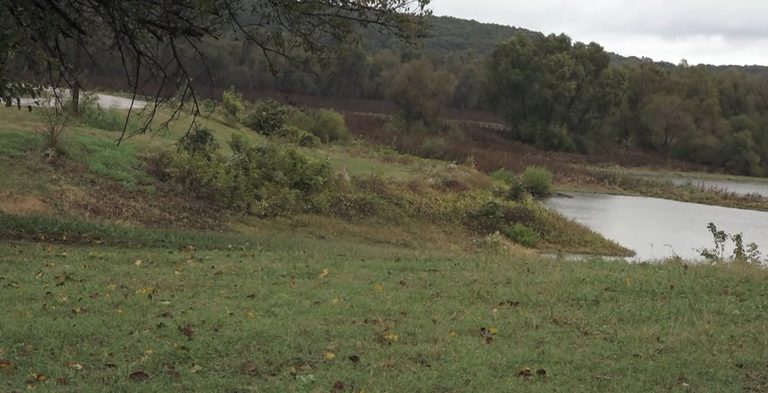
“Some of them are still just as barren as a concrete parking lot surface,” Rehagen said. “They haven’t had plants grow in many years. That’s when we step in, identify the safety hazard, and begin the restoration process.”
Remediation plan and timeline
After the initial assessment, the DNR team will collaborate with the landowner to develop a remediation plan. The plan typically involves backfilling dangerous voids, adding agricultural lime to raise soil pH, applying fertilizer, and re‑planting vegetation chosen by the property owner. The goal is to stabilize the land, improve soil quality, and protect local waterways.
The current projects in St. Clair County are expected to take up to one year to complete, depending on site conditions and landowner cooperation. Throughout the process, the DNR will monitor progress and adjust the remediation strategy as needed.
Why the focus on pre‑1977 mines?
Coal mines constructed before modern environmental regulations often lack the safeguards required today. Over time, these sites can become sources of erosion, sediment runoff, and groundwater contamination. By targeting mines built before 1977, the DNR hopes to address the most vulnerable locations and set a precedent for similar work across Missouri.
Community impact
Restoring these abandoned mines benefits more than just the environment. Safer land reduces the risk of accidents for residents and visitors, while healthier soils support agriculture and wildlife. The DNR’s proactive approach aligns with Missouri’s broader commitment to responsible natural‑resource stewardship and rural economic vitality.
Local officials have welcomed the initiative, noting that it demonstrates state support for rural communities facing legacy environmental challenges. The DNR plans to share findings with county leaders and the public as the work progresses.
Looking ahead
Should the St. Clair County effort prove successful, the DNR intends to expand similar assessments to other counties with historic mining operations. The agency’s long‑term vision is to mitigate the environmental legacy of decades‑old mining while preserving the safety and productivity of Missouri’s countryside.
Original reporting: KY3 Springfield (local) — read the source article.