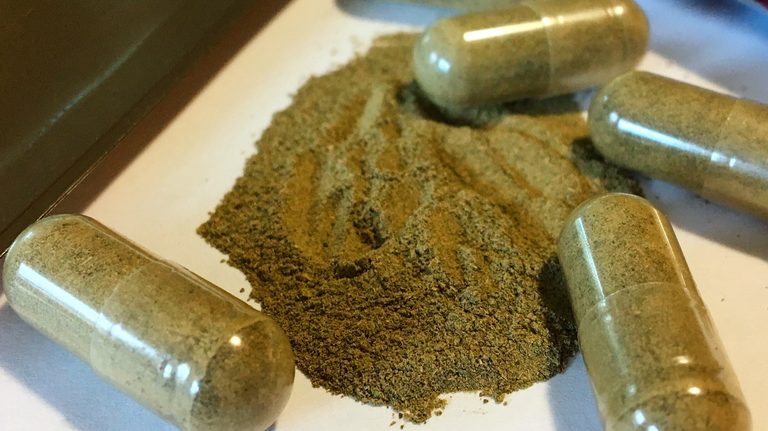
In Tupelo, Mississippi, the state’s top law‑enforcement organization is pressing for a comprehensive ban on kratom. The Mississippi Association of Chiefs of Police, represented by board member Chief Landon Tucker, says the association is “absolutely pushing for a statewide ban” as the next legislative session approaches.
Local bans set the stage
At present, roughly 40 cities and counties across Mississippi have already prohibited kratom. Those local actions have been driven by concerns over public safety and the drug’s alleged role in recent tragedies, including the deaths of two Ole Miss students who were suspected of using kratom.
Police chiefs voice strong opposition
Chief Tucker warned that kratom sold in convenience stores is essentially “gas station heroin” and “gas station dope.” He questioned why anyone seeking a therapeutic product would purchase it at a gas station, emphasizing the need for stricter controls.
Mayor Phillip Baulch of Nettleton echoed the chiefs’ worries, noting the drug’s impact on younger residents. “It’s unreal what that does to some of these people, especially the younger ones,” Baulch said.
Advocate calls for regulation, not outright ban
Not all voices support a total prohibition. Glenn Johnson, a kratom advocate from Denver, Colorado, testified that the natural leaf form of kratom helped him overcome a decades‑long addiction to drugs and alcohol. “It really helped, and I was able to put my life together, and now I’m nine years sober,” Johnson said.
Johnson distinguishes between pure leaf kratom and synthetic derivatives such as 7‑OH and “SMAX,” which he says have tarnished the plant’s reputation. He urges lawmakers and police to research the differences before deciding on a ban, advocating instead for stronger regulation of pure leaf kratom.
Health authorities weigh in
The Food and Drug Administration notes that millions of Americans use kratom and cautions against using it for medical treatment. The Mayo Clinic recommends that individuals discuss any kratom use with a physician and consider alternative therapies.
What’s next?
State legislators are expected to consider the police chiefs’ proposal during the upcoming session. If passed, Mississippi would join a growing list of states moving toward stricter control of kratom, potentially setting a precedent for neighboring states.
Both sides of the debate stress the importance of protecting public health, especially for younger Mississippians, while balancing the rights of adults who claim personal benefit from the plant. The outcome will likely hinge on how lawmakers weigh law‑enforcement concerns against advocacy for regulated, rather than prohibited, access.
Original reporting: FOX10 WALA Mobile (news) — read the source article.